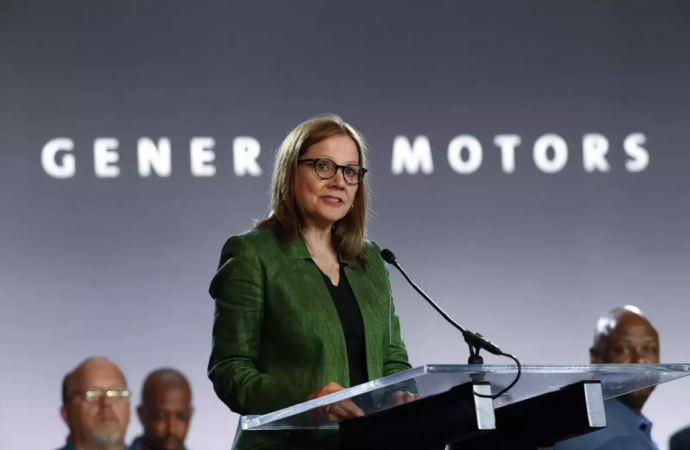
Mary Barra: A Trailblazer in the Automotive Industry

isess2013.org – Mary Teresa Barra was born on December 24, 1961, in Waterford, Michigan. Raised in a family with Finnish roots, Barra developed a love for cars at a young age. She attended the General Motors Institute (now Kettering University), where she earned a Bachelor of Science degree in Electrical Engineering. Barra later received a Master of Business Administration from Stanford Graduate School of Business, thanks to a GM fellowship.

Career at General Motors

Mary Barra’s career at General Motors (GM) began when she was just 18 years old, working as a co-op student inspecting fender panels. Over the years, she climbed the ranks through various engineering and administrative positions, demonstrating her leadership and strategic vision. Before becoming CEO, Barra served as Executive Vice President of Global Product Development, Purchasing, and Supply Chain, where she was responsible for the design, engineering, and quality of GM vehicles worldwide.

Becoming CEO

In January 2014, Mary Barra made history by becoming the first female CEO of a major global automaker. Her appointment marked a significant milestone in an industry traditionally dominated by men. Barra’s leadership style is characterized by her focus on innovation, customer engagement, and a commitment to transforming GM into a tech-driven leader in the automotive sector.

Leadership and Achievements

Under Mary Barra’s leadership, GM has undergone a significant transformation. She has spearheaded initiatives to streamline operations and increase the company’s focus on electric and autonomous vehicles. Barra has prioritized sustainability, pushing GM towards a future of zero crashes, zero emissions, and zero congestion. Her efforts have positioned GM as a frontrunner in the transition to electric vehicles, with ambitious plans to eliminate tailpipe emissions from new light-duty vehicles by 2035.

Impact and Legacy

Mary Barra has not only reshaped GM but has also paved the way for women in the automotive industry. Her tenure as CEO has been marked by a commitment to diversity and inclusion, both within GM and the broader industry. Barra continues to advocate for technological advancements and sustainability, ensuring GM remains competitive in a rapidly changing market.

Conclusion

Mary Barra’s journey from a young co-op student to the CEO of General Motors is a testament to her dedication, vision, and leadership. As she continues to navigate the challenges and opportunities of the automotive industry, Barra’s influence will undoubtedly leave a lasting impact on GM and the future of transportation.

Reporting to the Board: CEO Accountability

isess2013.org – The Chief Executive Officer (CEO) of a company is ultimately accountable to the Board of Directors. This relationship is central to the governance structure of a corporation, ensuring that the CEO’s actions and decisions align with the company’s strategic goals and the interests of its shareholders. This article explores the nature of CEO accountability and the mechanisms through which CEOs report to the Board.

The Role of the Board of Directors

The Board of Directors is responsible for overseeing the management of the company and ensuring that it operates in the best interests of its shareholders. The Board sets the strategic direction of the company, approves major decisions, and monitors the performance of the CEO and the executive team .

CEO Reporting Mechanisms

CEOs report to the Board through several formal and informal mechanisms:

Regular Board Meetings

CEOs typically present reports at regular Board meetings, providing updates on the company’s performance, strategic initiatives, and any significant developments. These reports may include financial performance, market trends, competitive analysis, and progress towards strategic goals .

Executive Sessions

Executive sessions are meetings between the CEO and the Board without other executives present. These sessions provide an opportunity for the CEO to discuss sensitive issues, strategic plans, and receive feedback from the Board in a confidential setting .

Ad Hoc Meetings and Communications

In addition to regular meetings, CEOs may request ad hoc meetings or communicate with the Board through written reports, emails, or phone calls to discuss urgent matters or provide updates on critical issues .

The Nature of CEO Accountability

CEO accountability is not just about reporting; it’s about ensuring that the CEO’s actions and decisions are aligned with the Board’s expectations and the company’s strategic goals. This includes:

Strategic Alignment

The CEO must ensure that the company’s operations and initiatives are aligned with the strategic direction set by the Board. This involves making decisions that support long-term growth and shareholder value .

Financial Performance

CEOs are accountable for the financial performance of the company. This includes managing the company’s budget, ensuring profitability, and making decisions that enhance shareholder value .

Risk Management

CEOs must manage risks effectively, ensuring that the company is protected from potential threats that could impact its performance or reputation. This involves implementing robust risk management strategies and keeping the Board informed about potential risks and mitigation plans .

Ethical Leadership

CEOs are expected to lead with integrity, ensuring that the company operates ethically and complies with all legal and regulatory requirements. This includes fostering a culture of transparency and accountability within the organization .

Conclusion

CEO accountability to the Board is a critical component of corporate governance. Through regular reporting mechanisms and strategic alignment, CEOs ensure that their actions and decisions are in the best interests of the company and its shareholders. Effective communication and ethical leadership are essential for maintaining trust and transparency between the CEO and the Board, ultimately ensuring the long-term success and sustainability of the company.