The Evolution of Women’s Soccer: Kicking It Forward

isess2013.org – Women’s soccer, a sport that has seen remarkable growth and evolution over the years, has finally begun to receive the recognition it deserves. From its humble beginnings to the global phenomenon it is today, women’s soccer has not only empowered women but has also challenged societal norms and gender stereotypes. This article delves into the journey of women’s soccer, highlighting its struggles, achievements, and the ongoing fight for equality in the world of sports.

The Early Days: A Fight for Recognition

The history of women’s soccer dates back to the late 19th and early 20th centuries. Despite the sport being played informally by women for years, it wasn’t until the 1970s that it started to gain traction. The early days were marked by resistance and ridicule from both the public and governing bodies. Women’s soccer was often seen as a novelty or a sideshow, lacking the support and infrastructure enjoyed by men’s soccer.

Breaking Barriers: The Rise of Women’s Soccer

The 1990s marked a turning point for women’s soccer. The inaugural Women’s World Cup in 1991, held in China, was a significant milestone. It showcased the talent, passion, and dedication of female players, challenging the notion that women’s sports were inferior. The tournament’s success, coupled with the growing popularity of the sport in the United States, laid the foundation for future growth.

The 1999 Women’s World Cup in the USA was a watershed moment. The tournament, particularly the final between the USA and China, captured the world’s imagination. The match, which ended with the USA winning in a penalty shootout, was watched by millions, demonstrating the potential of women’s soccer to captivate global audiences.

Strides in Professionalism and Equality

The 21st century has seen significant strides in the professionalization of women’s soccer. The establishment of professional leagues such as the National Women’s Soccer League (NWSL) in the USA, the Women’s Super League (WSL) in England, and others around the world has provided a platform for players to showcase their talents. These leagues have not only improved the standard of play but have also increased the visibility and marketability of women’s soccer.

However, the fight for equality is far from over. Issues such as pay disparity, media coverage, and investment continue to plague the sport. The landmark lawsuit filed by the US Women’s National Team against the US Soccer Federation for gender discrimination is a testament to the ongoing battle for equal pay and conditions.

The Future: A Global Phenomenon

The future of women’s soccer looks promising. With each passing year, the sport gains more fans, sponsors, and media attention. The FIFA Women’s World Cup continues to break records in terms of viewership and attendance, indicating a growing interest in the sport.

Moreover, the introduction of the UEFA Women’s Champions League and the expansion of the Women’s World Cup to 32 teams by 2023 are signs of the sport’s increasing importance on the global stage. These developments not only provide more opportunities for players but also encourage young girls to pursue their dreams in soccer.

Conclusion

The evolution of women’s soccer is a story of resilience, determination, and progress. From facing ridicule and resistance to becoming a global phenomenon, women’s soccer has come a long way. While challenges remain, the future looks bright for the sport. As we continue to kick it forward, the legacy of women’s soccer will inspire generations to come, proving that with hard work and perseverance, any barrier can be broken.
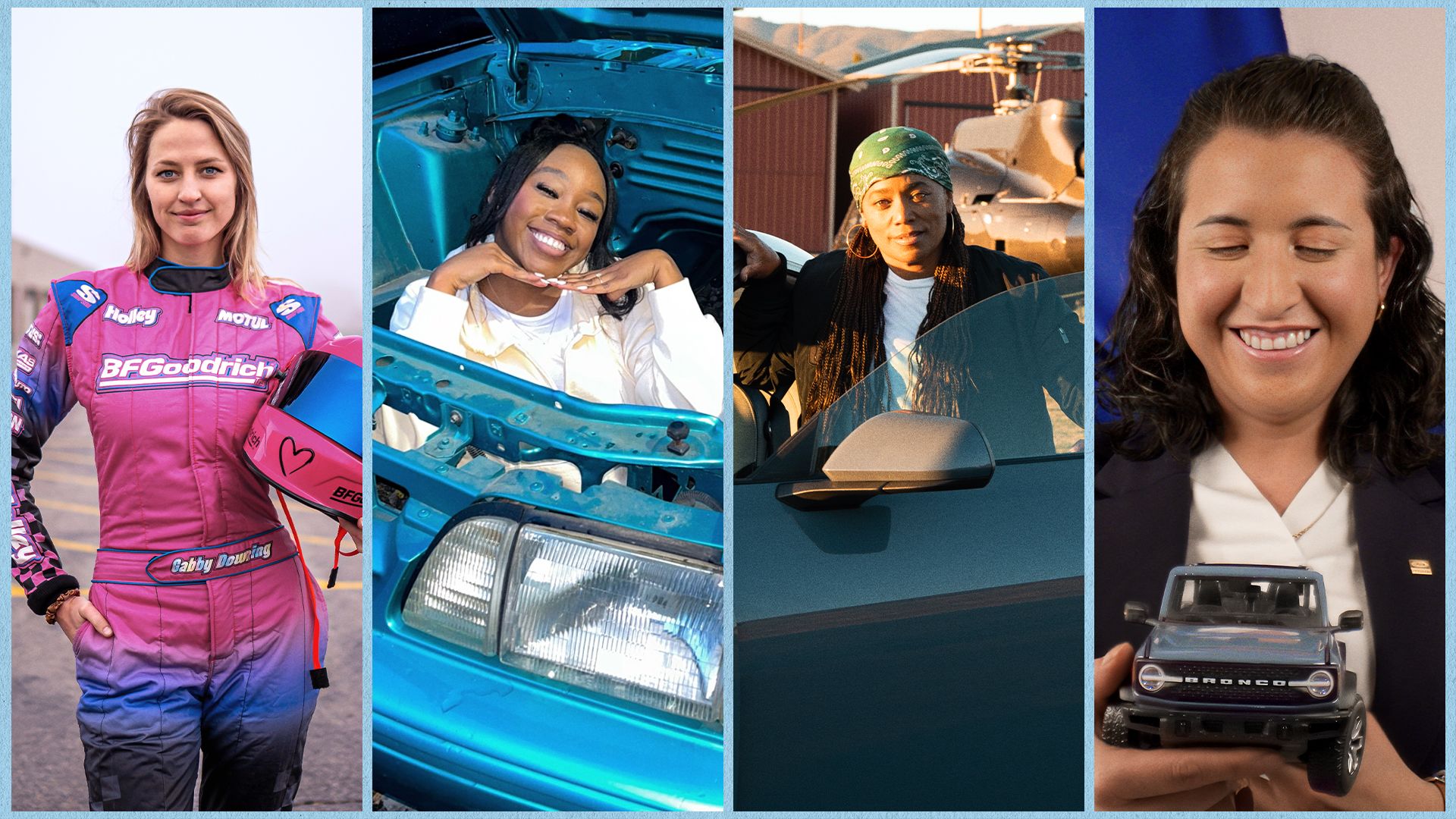
Sports Car Divas: Celebrating Female Enthusiasts

isess2013.org – In a world where the roar of engines and the scent of burning rubber often evoke images of male dominance, a vibrant community of women is challenging stereotypes and redefining what it means to be a sports car enthusiast. These “Sports Car Divas” are not just passengers; they are drivers, mechanics, collectors, and racers who share an unparalleled passion for performance, speed, and the sheer exhilaration that comes with the sports car culture.

The history of sports cars is rich and storied, with iconic models like the Ferrari 250 GTO, the Porsche 911, and the Jaguar E-Type capturing the imaginations of car lovers for generations. Traditionally, this realm has been male-centric, but that narrative is rapidly changing. Women are now more visible than ever before, not just as spectators but as active participants in the sports car community.

One of the most inspiring aspects of the Sports Car Divas is their diverse backgrounds and interests. From classic car restorers who meticulously bring vintage models back to life, to track day enthusiasts who push their vehicles to the limit on the circuit, these women are united by their love for the automotive world. They are engineers, designers, entrepreneurs, and professionals from various walks of life who find solace and excitement in the world of high-performance vehicles.

The rise of social media has played a crucial role in bringing these enthusiasts together. Platforms like Instagram and YouTube have become virtual showrooms where Sports Car Divas can share their experiences, showcase their collections, and inspire others. Influencers like Sarah Bond, who combines her love for cars with her career in the automotive industry, and Amelia Herbert, a classic car specialist and television presenter, are just a few examples of women who are breaking barriers and encouraging others to follow their lead.

The community aspect is vital for Sports Car Divas. Events such as the all-female “SheDrives” track days and the “Women in Motorsport” initiatives provide spaces where women can learn, network, and celebrate their shared passion. These gatherings are not just about driving; they are about empowerment, mentorship, and creating a supportive environment where women can thrive.

The impact of Sports Car Divas extends beyond the garage or the racetrack. They are changing perceptions and encouraging a new generation of young women to pursue careers in STEM fields, particularly in automotive engineering and design. By demonstrating that women can be just as knowledgeable and passionate about cars as men, they are helping to dismantle gender stereotypes and paving the way for greater diversity in the automotive industry.

Despite the progress, there is still work to be done. The sports car world can sometimes be intimidating for newcomers, and there are still instances of gender bias that need to be addressed. However, the resilience and determination of Sports Car Divas are a testament to their enduring spirit. They continue to push boundaries, break records, and inspire others to join them on the open road.

In conclusion, Sports Car Divas are more than just enthusiasts; they are trailblazers who are redefining the automotive landscape. Their passion for performance, combined with their commitment to inclusivity and empowerment, is changing the face of the sports car community for the better. As we celebrate these remarkable women, we look forward to a future where their contributions are recognized, and their love for the open road continues to inspire the next generation of enthusiasts.

Iconic Women in Government: Powerhouse Politicians

isess2013.org – Throughout history, the realm of politics has been predominantly male-dominated, with women facing significant barriers to entry and advancement. However, despite these challenges, a cadre of remarkable women has risen to prominence, shattering glass ceilings and redefining the landscape of government and leadership. These powerhouse politicians have not only made their mark on the political arena but have also inspired generations to follow in their footsteps. This article celebrates some of the most iconic women in government, whose legacies continue to shape the world.

  1. Margaret Thatcher – The Iron Lady
    Margaret Thatcher, the first female Prime Minister of the United Kingdom, served from 1979 to 1990. Her tenure was marked by a resolute commitment to her political ideologies, which included free-market capitalism, deregulation, and a reduction in the power and size of the state. Thatcher’s leadership style earned her the nickname “The Iron Lady,” and her policies had a profound impact on both the UK and the global economy.
  2. Indira Gandhi – The Durable Prime Minister
    Indira Gandhi, the only woman to have been Prime Minister of India, served from 1966 to 1977 and then again from 1980 until her assassination in 1984. Gandhi’s leadership was characterized by her decisive handling of national emergencies, including the Bangladesh Liberation War and the Green Revolution. Her tenure was not without controversy, particularly due to the imposition of a state of emergency in 1975, but her legacy remains significant in Indian politics.
  3. Angela Merkel – The Consensus Builder
    Angela Merkel, the Chancellor of Germany from 2005 to 2021, is the longest-serving incumbent head of government in the European Union and the de facto leader of the free world in the post-American era. Merkel’s leadership style is often described as consensual and cautious, earning her respect and admiration both domestically and internationally. Her handling of the European migrant crisis and her commitment to climate change initiatives have been particularly notable.
  4. Golda Meir – The First Female Prime Minister of Israel
    Golda Meir, who served as the Prime Minister of Israel from 1969 to 1974, was a pivotal figure in the establishment of the state of Israel and its early development. Meir was known for her pragmatic approach to politics and her significant contributions to the country’s security and foreign policy. Her leadership during the Yom Kippur War in 1973 is a testament to her resilience and determination.
  5. Benazir Bhutto – The Tragic Visionary
    Benazir Bhutto, the first woman to lead a Muslim nation, served as the Prime Minister of Pakistan twice, from 1988 to 1990 and then from 1993 to 1996. Bhutto’s political career was marked by her efforts to modernize Pakistan and promote democracy, despite facing significant opposition and political instability. Her tragic assassination in 2007 was a devastating blow to the cause of democracy in Pakistan.
  6. Aung San Suu Kyi – The Nobel Laureate
    Aung San Suu Kyi, a Nobel Peace Prize laureate and the de facto leader of Myanmar, has been a symbol of peaceful protest and democratic reform in her country. Although her leadership has been controversial, particularly due to her response to the Rohingya crisis, her role in the struggle for democracy in Myanmar is undeniable.
  7. Jacinda Ardern – The Empathetic Leader
    Jacinda Ardern, the Prime Minister of New Zealand since 2017, has been praised for her empathetic and inclusive leadership style. Her response to the Christchurch mosque shootings in 2019 and the COVID-19 pandemic has been widely recognized for its compassion and effectiveness. Ardern’s approach to governance has made her one of the most popular and respected leaders in the world.

These women, among others, have demonstrated that leadership in government is not limited by gender. Their achievements have paved the way for future generations of women to enter the political arena and make their own significant contributions. As the world continues to evolve, the legacy of these powerhouse politicians will undoubtedly inspire more women to step into positions of power and influence, ensuring that the voices and perspectives of women are heard and valued in the governance of nations.