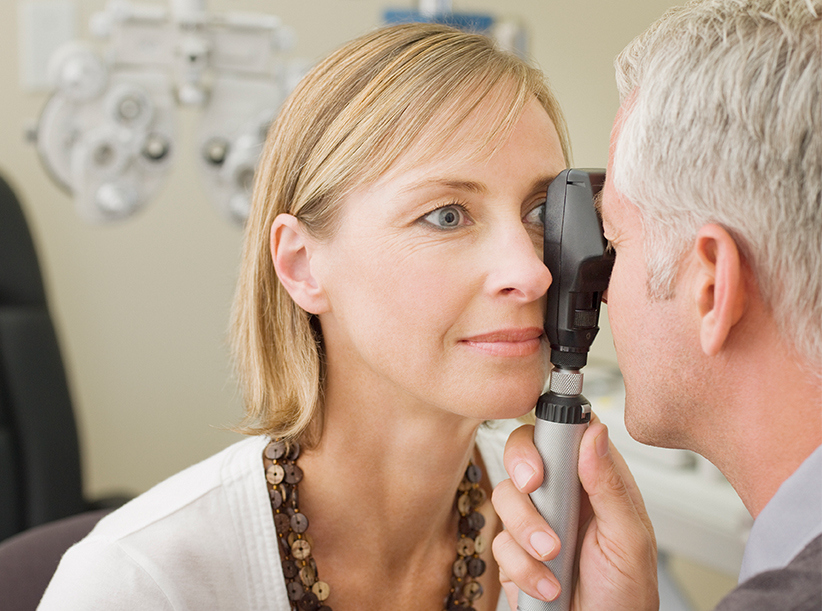
Visionary Innovations: The Future of Eye Care Technology

isess2013.org – The field of eye care is on the brink of revolutionary changes, driven by cutting-edge technologies that promise to transform diagnosis, treatment, and overall eye health management. As advancements continue to unfold, the future of eye care technology looks brighter than ever. This article explores some of the most exciting innovations shaping the future of eye care.

Breakthroughs in Diagnostic Tools

One of the most significant areas of innovation in eye care is the development of advanced diagnostic tools. Technologies such as Optical Coherence Tomography (OCT) and retinal imaging are becoming more sophisticated, offering high-resolution images that allow for early detection of eye diseases like glaucoma and macular degeneration. Artificial intelligence (AI) is also playing a pivotal role, with algorithms capable of analyzing vast amounts of data to identify patterns and predict eye health issues with remarkable accuracy.

Smart Contact Lenses

Smart contact lenses are set to revolutionize the way we monitor and manage eye health. These lenses are embedded with sensors that can measure various biometric data, such as intraocular pressure and glucose levels, providing real-time feedback to users and healthcare providers. This innovation could be particularly beneficial for individuals with diabetes or those at risk of glaucoma, allowing for proactive and personalized eye care.

Gene Therapy and Regenerative Medicine

Gene therapy and regenerative medicine hold great promise for treating inherited retinal diseases and other vision impairments. Researchers are exploring ways to edit or replace defective genes responsible for conditions like retinitis pigmentosa and Leber congenital amaurosis. Additionally, stem cell therapy is being investigated as a means to regenerate damaged retinal tissue, potentially restoring vision to those who have lost it.

Virtual Reality and Augmented Reality

Virtual reality (VR) and augmented reality (AR) are not only enhancing entertainment and gaming but are also making significant impacts in eye care. These technologies are being used for vision therapy, helping individuals improve visual skills and coordination. AR, in particular, has applications in surgical training, providing eye surgeons with immersive, realistic simulations to refine their skills.

Telemedicine and Remote Eye Care

The integration of telemedicine in eye care is expanding access to services, especially in remote or underserved areas. Through virtual consultations and remote monitoring, patients can receive expert eye care without the need to travel. This approach is particularly beneficial for routine check-ups and follow-ups, ensuring continuity of care while reducing the burden on healthcare systems.

Conclusion

The future of eye care technology is filled with possibilities that promise to enhance the way we diagnose, treat, and manage eye health. From smart contact lenses to gene therapy and beyond, these visionary innovations are paving the way for a new era in eye care, where technology and healthcare converge to improve vision and quality of life for people around the world. As these advancements continue to evolve, the potential for transformative changes in eye care is truly exciting.

Doctors and Nurses on the Frontlines: The Pulse of Care

isess2013.org – In the heart of every healthcare facility, there beats a relentless pulse, driven by the tireless efforts of doctors and nurses who stand on the frontlines of patient care. These healthcare professionals are the backbone of the medical field, working around the clock to ensure that the sick, the injured, and the vulnerable receive the care they need. Their work is often unseen by the wider public, yet it is critical to the functioning of society. This article delves into the lives of these unsung heroes, exploring the challenges they face, the rewards they find, and the impact they have on the lives of their patients.

The Role of Doctors and Nurses
Doctors and nurses play distinct yet complementary roles in patient care. Doctors, with their extensive medical training, are responsible for diagnosing illnesses, developing treatment plans, and performing complex medical procedures. Nurses, on the other hand, are the primary caregivers, administering medications, monitoring patients, and providing emotional support. Together, they form a cohesive team that is essential for the delivery of high-quality healthcare.

Challenges on the Frontlines
The frontlines of healthcare are fraught with challenges. Long hours, high-stress environments, and the emotional toll of dealing with illness and death are just a few of the difficulties that doctors and nurses face. The COVID-19 pandemic has only exacerbated these challenges, with healthcare workers working around the clock to care for an influx of patients while risking their own health and safety.

Despite these challenges, many healthcare professionals find deep satisfaction in their work. The ability to make a tangible difference in someone’s life, to alleviate suffering, and to save lives is a powerful motivator. The relationships that develop between patients and their caregivers can be profound, with patients often expressing heartfelt gratitude for the care they receive.

The Impact of Technology
Technology has transformed the landscape of healthcare, providing doctors and nurses with powerful tools to improve patient care. Electronic health records, telemedicine, and advanced medical devices are just a few examples of how technology is enhancing the work of healthcare professionals. However, these advancements also bring new challenges, such as the need for constant learning and adaptation to stay abreast of the latest innovations.

The Future of Healthcare
As the healthcare landscape continues to evolve, the role of doctors and nurses on the frontlines remains as crucial as ever. The future will likely see an increased emphasis on team-based care, with doctors, nurses, and other healthcare professionals working together more closely than ever before. There will also be a greater focus on preventative care and patient education, aiming to keep people healthy and out of the hospital whenever possible.

Conclusion
The work of doctors and nurses on the frontlines is a testament to the resilience and compassion of the human spirit. Their dedication to caring for others, often at great personal cost, is a source of inspiration for us all. As we look to the future, it is clear that the pulse of care will continue to beat strongly, driven by the unwavering commitment of these remarkable individuals. Let us honor their sacrifices and support their efforts, for in their hands lies the health and well-being of our communities.