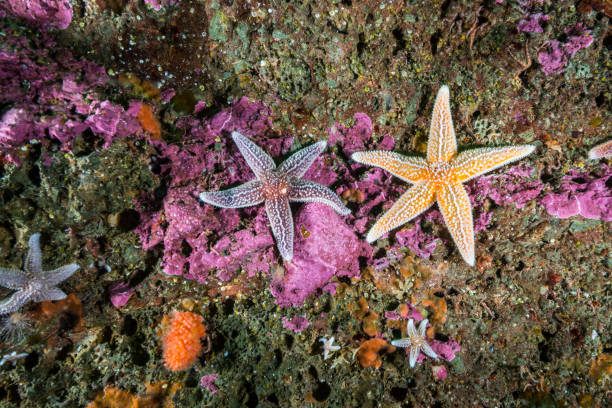
The Starry Wonders of the Sea: Starfish (Sea Stars)

isess2013.org – Starfish, more accurately known as sea stars, are fascinating marine invertebrates belonging to the phylum Echinodermata. These iconic creatures, with their characteristic star-like shape and remarkable regenerative abilities, inhabit diverse marine environments worldwide. This article delves into the captivating world of sea stars, exploring their unique anatomy, fascinating behaviors, ecological significance, and the challenges they face.   

Not Fish at All: Echinoderms and Their Unique Features

Sea stars are not fish but belong to the phylum Echinodermata, a group that also includes sea urchins, sea cucumbers, brittle stars, and sand dollars. Echinoderms possess several unique characteristics:   

  • Pentaradial Symmetry: Most sea stars exhibit five-fold radial symmetry, meaning their bodies are organized around a central disc with five or more arms (though some species have many more).   
  • Water Vascular System: A unique hydraulic system used for locomotion, feeding, gas exchange, and excretion.   
  • Endoskeleton: An internal skeleton composed of calcareous plates called ossicles.   
  • Spines and Pedicellariae: Many sea stars have spines and small, pincer-like structures called pedicellariae, used for defense and cleaning.   

Physical Characteristics: Adapted for a Marine Lifestyle

Sea stars possess several key physical adaptations for life in the marine environment:

  • Arms (Rays): Typically five, but can range from four to over forty in some species.   
  • Central Disc: The central part of the body where the arms radiate from.   
  • Tube Feet: Small, tube-like projections on the underside of the arms, used for locomotion, attachment, and feeding.   
  • Eyespots: Located at the tip of each arm, capable of detecting light and shadow.   
  • Mouth: Located on the underside of the central disc.   

Locomotion and Movement: Powered by the Water Vascular System

Sea stars move using their unique water vascular system:

  • Water Intake: Water enters the system through a sieve-like plate called the madreporite.   
  • Canals and Tube Feet: Water is circulated through a network of canals and into the tube feet.   
  • Hydraulic Pressure: Muscles contract and relax, controlling the water pressure in the tube feet, allowing them to extend, retract, and adhere to surfaces.   

Feeding and Diet: Carnivores and Scavengers

Sea stars are primarily carnivorous, feeding on a variety of prey:   

  • Mollusks (Clams, Mussels, Snails): A common food source.
  • Other Invertebrates (Crustaceans, Worms): Also consumed by some species.
  • Small Fish: Some larger species may prey on small fish.

They use their tube feet to grip prey and can even evert their stomach to digest prey externally.   

Reproduction and Life Cycle: Sexual and Asexual Reproduction

Sea stars reproduce both sexually and asexually:

  • Sexual Reproduction: Involves external fertilization, with males and females releasing sperm and eggs into the water.   
  • Asexual Reproduction (Regeneration): Sea stars can regenerate lost arms, and some species can even regenerate an entire individual from a single arm and a portion of the central disc.   
  • Larval Stage: Fertilized eggs develop into free-swimming larvae, which eventually metamorphose into juvenile sea stars.   

Ecological Role: Keystone Predators and Ecosystem Engineers

Sea stars play important roles in marine ecosystems:

  • Keystone Predators: Some species, such as the ochre sea star (Pisaster ochraceus), are keystone predators, meaning they have a disproportionately large impact on their community structure.   
  • Controlling Prey Populations: By preying on mussels and other invertebrates, they prevent these species from dominating intertidal habitats.   

Sea Star Wasting Disease: A Devastating Threat

Sea star populations have been impacted by recurring outbreaks of sea star wasting disease:   

  • Symptoms: Include lesions, limb loss, and disintegration of the body.   
  • Causes: The exact causes are still being researched, but factors like changes in water temperature, pathogens, and environmental stressors are thought to play a role.
  • Ecological Impacts: Mass die-offs can have significant impacts on marine ecosystems.   

Conservation Status and Threats: Facing Multiple Challenges

While many sea star species are not currently considered threatened, they face several challenges:

  • Sea Star Wasting Disease: A major threat to sea star populations worldwide.   
  • Climate Change: Changes in ocean temperature, acidity, and currents can impact their survival and distribution.   
  • Habitat Destruction: Coastal development and pollution can degrade their habitats.

Conclusion: Appreciating the Starry Wonders of the Sea

Sea stars, with their unique adaptations, fascinating behaviors, and important ecological roles, are a vital part of marine ecosystems. From their remarkable regenerative abilities to their role as keystone predators, these starry wonders of the sea contribute to the balance and biodiversity of our oceans. By understanding the challenges they face and supporting conservation efforts, we can help ensure that these fascinating creatures continue to thrive for generations to come.
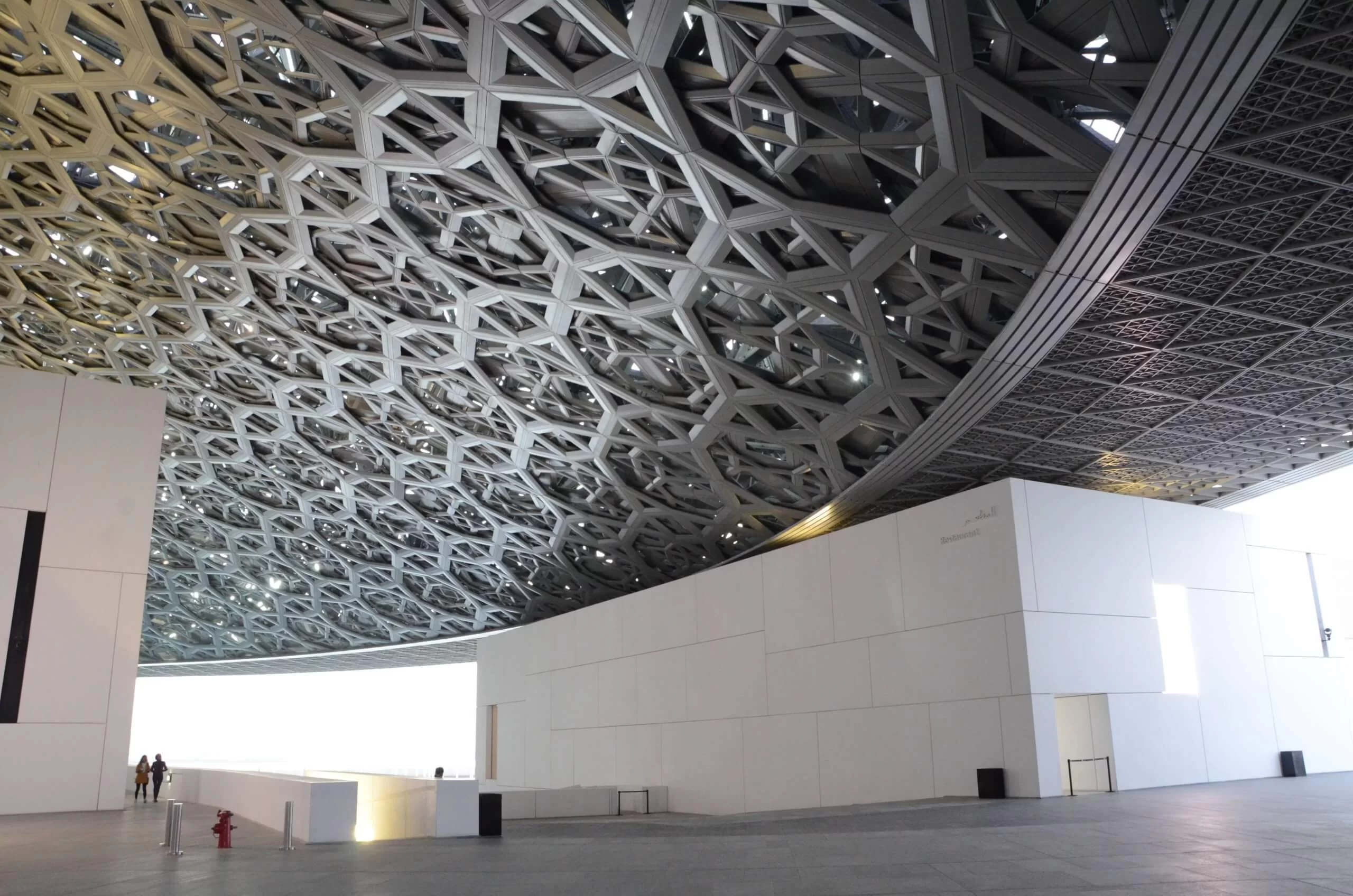
Exploring the Artistic Marvel of Louvre Abu Dhabi

isess2013.org – Louvre Abu Dhabi, located in the heart of the United Arab Emirates’ capital, is an architectural and cultural masterpiece. As a symbol of cross-cultural collaboration, this museum is designed to bridge the gap between Eastern and Western art, offering a diverse collection that spans centuries and continents. Opened in November 2017, Louvre Abu Dhabi has quickly become a beacon of art and culture in the region.

Architectural Brilliance

Louvre Abu Dhabi is renowned not only for its collections but also for its striking architecture. Designed by the acclaimed French architect Jean Nouvel, the museum is a work of art in itself. The iconic dome, composed of 7,850 unique stars, creates a “rain of light” effect, reminiscent of the play of sunlight through palm fronds. This architectural marvel seamlessly integrates modern design with traditional Middle Eastern elements, providing an awe-inspiring setting for the artworks it houses.

The Collections

The museum’s collection is meticulously curated to highlight the interconnectedness of human cultures. It spans a wide range of historical periods and geographical locations, featuring artworks from ancient civilizations to contemporary masterpieces. Key highlights include:

  • Ancient Artifacts: The museum showcases a diverse array of ancient artifacts, including Egyptian, Greco-Roman, and Mesopotamian pieces, illustrating the rich tapestry of early human civilization.
  • Classical and Modern Art: Visitors can admire works by renowned artists such as Leonardo da Vinci, Vincent van Gogh, and Pablo Picasso. These pieces are part of a narrative that explores the evolution of artistic expression over centuries.
  • Cultural Dialogues: Louvre Abu Dhabi emphasizes the connections between different cultures, presenting pieces that reflect shared human experiences and themes across time and space.

Educational and Cultural Initiatives

Louvre Abu Dhabi is committed to education and cultural exchange. The museum offers a variety of programs, including workshops, lectures, and exhibitions, aimed at fostering a deeper understanding of art and culture. These initiatives are designed to engage diverse audiences, from art enthusiasts to curious learners.

Cultural Significance

As the first universal museum in the Arab world, Louvre Abu Dhabi plays a pivotal role in promoting cultural exchange and dialogue. It stands as a testament to the UAE’s vision of becoming a global cultural hub, where art serves as a means of connecting people and ideas across borders.

Conclusion

Louvre Abu Dhabi is more than just a museum; it is a cultural landmark that celebrates the shared heritage of humanity. Through its innovative architecture and expansive collections, it offers a unique and enriching experience for visitors from around the world. Whether you’re an art aficionado or a first-time visitor, Louvre Abu Dhabi promises a journey of discovery that transcends time and geography, inviting you to explore the universal language of art.

Exploring Iceland’s Volcanic Landscape

isess2013.org – Nestled in the North Atlantic, Iceland is a land of stark contrasts and breathtaking natural beauty. Its unique position on the Mid-Atlantic Ridge, where the Eurasian and North American tectonic plates meet, has shaped a landscape that is both awe-inspiring and otherworldly. This geological setting has made Iceland one of the most volcanically active countries on Earth, with over 130 volcanic mountains and 30 active volcanic systems.

The Formation of Iceland’s Volcanic Landscape

The formation of Iceland’s volcanic landscape is a story of fire and ice. The island was born from volcanic eruptions on the ocean floor millions of years ago. As the tectonic plates drift apart, magma rises to the surface, fueling the island’s volcanic activity. This ongoing process has created a diverse array of geological features, including geysers, hot springs, lava fields, and glaciers that sit atop dormant volcanoes.

Iceland’s Most Famous Volcanic Attractions

One of the most famous volcanic attractions in Iceland is the Golden Circle, a popular tourist route that includes the geyser Strokkur, the waterfall Gullfoss, and the rift valley of Þingvellir. Another notable site is the volcano Eyjafjallajökull, which gained international attention in 2010 when its eruption disrupted air travel across Europe. The lava fields of the Eldhraun, created by the Laki eruption in the 18th century, are also a testament to the island’s volcanic power.

The Impact of Volcanic Activity on Icelandic Life

Volcanic activity has shaped not only the physical landscape of Iceland but also the way of life for its inhabitants. The rich volcanic soil is fertile for farming, and geothermal energy from the earth’s heat is harnessed to provide sustainable heating and electricity for homes and businesses. However, volcanic eruptions also pose risks, such as ash clouds that can disrupt air travel and lava flows that can destroy property.

Safely Exploring Iceland’s Volcanic Wonders

For visitors looking to explore Iceland’s volcanic landscape, there are numerous guided tours and activities available. These include hiking on lava fields, visiting active geothermal areas, and even witnessing the Northern Lights, which are often more visible due to Iceland’s clear, cold air. It is important to follow safety guidelines and be prepared for the unpredictable nature of volcanic landscapes.

The Future of Iceland’s Volcanic Landscape

As climate change and human activity continue to impact the planet, the future of Iceland’s volcanic landscape remains uncertain. Glaciers are retreating, revealing new land and ancient volcanic features, while also posing risks of flooding. Scientists and conservationists are working to monitor and protect this unique environment, ensuring that future generations can continue to marvel at the natural wonders of Iceland’s volcanic landscape.