
Demon Slayer – Kimetsu no Yaiba the Movie: Mugen Train

isess2013.org – Demon Slayer: Kimetsu no Yaiba the Movie: Mugen Train (劇場版「鬼滅の刃」無限列車編 Gekijō-ban Kimetsu no Yaiba: Mugen Ressha-hen) is a 2020 Japanese animated dark fantasy action film based on the Demon Slayer: Kimetsu no Yaiba manga series by Koyoharu Gotouge. It is a direct sequel to the first season of the anime television series and adapts the “Mugen Train” arc from the manga.   

A Mission Aboard the Mugen Train

The film follows Tanjiro Kamado, along with his sister Nezuko (who has become a demon but still retains some of her humanity), Zenitsu Agatsuma, and Inosuke Hashibira, as they board the Mugen Train to investigate mysterious disappearances occurring on the train. They are joined by Kyojuro Rengoku, the Flame Hashira, one of the most powerful swordsmen in the Demon Slayer Corps.   

Their mission is to defeat a powerful demon who is responsible for the disappearances and has integrated himself with the train itself. The demon, Enmu, is one of the Twelve Kizuki, a group of powerful demons who serve directly under Muzan Kibutsuji, the progenitor of all demons.

Dreams and Nightmares

Enmu’s Blood Demon Art allows him to manipulate dreams, trapping his victims in elaborate dream worlds while he attacks their sleeping bodies. This leads to surreal and psychologically intense sequences as Tanjiro and his companions must navigate their own dreams and confront their deepest desires and fears.   

The film masterfully uses the dream sequences to explore the characters’ backstories and motivations, providing deeper insights into their personalities and relationships.

The Strength of the Flame Hashira

Kyojuro Rengoku plays a central role in the film, showcasing his incredible strength, unwavering determination, and strong sense of justice. He acts as a mentor figure to Tanjiro and the others, inspiring them with his courage and unwavering spirit.   

The battles in Mugen Train are some of the most visually stunning and emotionally charged in the Demon Slayer franchise. The animation by Ufotable is exceptional, with fluid action sequences, detailed character animation, and breathtaking visual effects.

Sacrifice and Loss

The film takes a darker turn as the Demon Slayers face a powerful Upper Rank demon, Akaza, who appears after Enmu’s defeat. The ensuing battle is intense and tragic, resulting in a significant loss for the Demon Slayer Corps. This loss has a profound impact on Tanjiro and his companions, further fueling their determination to defeat Muzan and eradicate demons.   

A Record-Breaking Success

Demon Slayer: Kimetsu no Yaiba the Movie: Mugen Train was a massive commercial success, breaking numerous box office records in Japan and internationally. It became the highest-grossing film in Japan, surpassing Spirited Away, a record it held for nearly two decades.   

The film’s success can be attributed to its compelling story, stunning animation, memorable characters, and emotional depth. It is a powerful and moving continuation of the Demon Slayer story, exploring themes of loss, sacrifice, and the importance of fighting for what you believe in. It solidified Demon Slayer’s place as a global phenomenon and a significant force in the world of anime.

Fusion Festival: A Psychedelic Journey – A Psychedelic Experience

isess2013.org – Fusion Festival is one of Europe’s largest electronic music and arts festivals, held annually in Lärz, Germany. Known for its unique blend of electronic music, experimental arts, and counterculture, Fusion has become a pilgrimage site for music lovers and creative spirits.

A Psychedelic Experience

Fusion Festival is more than just a music event; it’s a transformative experience. The festival’s immersive atmosphere, stunning visuals, and mind-bending music create a psychedelic journey that takes attendees to new dimensions of consciousness.

A Diverse Lineup

The festival boasts a diverse lineup of electronic music artists, ranging from techno and house to psytrance and experimental. Renowned DJs and producers from around the world take to the stage, delivering electrifying performances that keep the crowd dancing from dusk till dawn.

A Visual Feast

Beyond the music, Fusion Festival is a visual spectacle. The festival grounds are adorned with intricate installations, colorful decorations, and innovative art projects. Interactive art installations, live painting, and projections create a surreal and dreamlike atmosphere.

A Community of Like-Minded Souls

Fusion Festival fosters a strong sense of community among attendees. People from all walks of life come together to share their love for music, art, and culture. The festival’s emphasis on peace, love, and unity creates a welcoming and inclusive environment.

A Sustainable Future

Fusion Festival is committed to sustainability and environmental responsibility. The festival organizers implement various eco-friendly initiatives, such as waste reduction, energy conservation, and sustainable transportation. This commitment to sustainability reflects the festival’s dedication to creating a positive impact on the planet.

A Testament to the Power of Music and Art

Fusion Festival is more than just a music event; it’s a celebration of creativity, individuality, and the power of music and art. The festival’s unique blend of music, art, and culture has made it a beloved institution in the electronic music scene.

Easter Island: A Journey Through Time and Culture

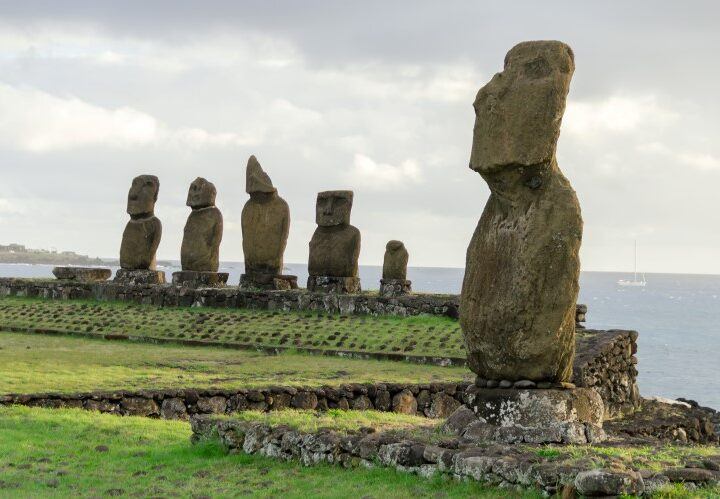
isess2013.org – Easter Island, known locally as Rapa Nui, is a remote volcanic island in the Pacific Ocean that captivates visitors with its mysterious moai statues and rich history. This enigmatic island, located over 1,000 miles from the nearest inhabited land, has been a subject of fascination for scientists, archaeologists, and tourists alike. This article delves into the history, culture, and the breathtaking landscapes of Rapa Nui, offering a comprehensive journey through time and culture.

The Discovery and Early History

Easter Island was first discovered by the Dutch explorer Jacob Roggeveen on Easter Day, April 5, 1722, hence the name “Easter Island”811. The island’s history, however, dates back much further. Polynesian settlers arrived around 1200 AD, bringing with them a unique culture that would flourish over the next few centuries.

The Moai Statues

The most iconic feature of Easter Island is undoubtedly the moai statues. These massive stone figures, carved from volcanic rock, stand as silent sentinels of a bygone era. Over 900 moai have been inventoried on the island, each with its own distinct features and history. The construction and transportation of these statues remain a mystery, adding to the allure of the island.

Cultural Evolution and Decline

The history of Easter Island is marked by significant cultural evolution and eventual decline. The early settlers developed a complex society with a unique hierarchy and religious practices centered around the moai. However, over time, the island faced environmental challenges and internal conflicts, leading to a significant decline in its population and the abandonment of many of the moai.

Modern Day Easter Island

Today, Easter Island is a UNESCO World Heritage site, attracting thousands of visitors each year. The island’s culture continues to thrive, with efforts to preserve and promote the Rapa Nui heritage. The local population works to balance tourism with the protection of their cultural and natural resources.

Conclusion

Easter Island, or Rapa Nui, is a testament to the ingenuity and resilience of its early inhabitants. From the mysterious moai statues to the rich cultural history, the island offers a unique glimpse into a bygone era. As visitors continue to explore this remote paradise, the legacy of Rapa Nui endures, a silent sentinel of a fascinating past.

Nauru’s Journey from Colonial Rule to Independence

isess2013.org – Nauru, a small island nation in the Central Pacific, has a rich history that spans thousands of years. The island was first inhabited by Micronesian and Polynesian people, who settled there around 3,000 years ago. The island’s isolation and unique geographical features made it a significant resting point for migratory birds, leading to the accumulation of phosphate-rich guano, which would later play a crucial role in the island’s economy.

Discovery and Early Colonial Interactions

Nauru was first sighted by Europeans in 1798 when the British ship “Hunter” named it Pleasant Island. However, due to its remote location and lack of apparent resources, it was largely ignored by colonial powers for nearly a century. In 1888, Germany annexed Nauru as part of its colonial possessions, marking the beginning of its colonial history.

German and British Administration

Under German rule, Nauru was managed by a trading company, which focused on the island’s limited resources, primarily coconuts. The discovery of phosphate in 1906 by a British geologist changed the island’s fate dramatically. The phosphate deposits were among the richest in the world, and their exploitation began in earnest, first by the Germans and later by the British after World War I.

World War II and Japanese Occupation

During World War II, Nauru was occupied by Japan from 1942 to 1945. The Japanese used the island as a military base and subjected the Nauruan people to harsh conditions. The war devastated the island’s infrastructure and population, leaving a lasting impact on its social and economic fabric.

United Nations Trusteeship

After the war, Nauru became a United Nations Trust Territory, administered by Australia, New Zealand, and the United Kingdom. The trusteeship was meant to prepare the island for self-governance, but the phosphate mining continued under the control of the administering powers, with little benefit to the Nauruan people.

Struggle for Independence

The Nauruan people began to demand greater control over their phosphate resources and the right to self-determination. In 1964, the United Nations proposed relocating the Nauruan people to Curtis Island in Australia, but this was strongly opposed by the Nauruan leadership. The struggle for independence intensified, and in 1966, Nauru established an autonomous government.

Achieving Independence

On January 31, 1968, Nauru officially gained independence from its colonial rulers. The Republic of Nauru was established, and Hammer DeRoburt became the first president. Nauru joined the Commonwealth of Nations as a special member, although it did not have the right to attend Commonwealth Heads of Government meetings.

Post-Independence Challenges

Despite achieving independence, Nauru faced significant challenges. The phosphate industry, which had been the backbone of its economy, began to decline as the reserves were depleted. This led to economic difficulties and a reliance on foreign aid and debt. In 1999, Nauru became the smallest member of the United Nations, reflecting its status as a small island nation with unique challenges.

Conclusion

Nauru’s journey from colonial rule to independence is a testament to the resilience and determination of its people. From early European discovery to the struggles of World War II and the fight for self-determination, Nauru has navigated a complex path to sovereignty. Today, Nauru continues to face economic and environmental challenges, but its history serves as a reminder of the enduring spirit of its people.