Emir Sabah Al-Ahmad Al-Jaber Al-Sabah (2006–2020)

isess2013.org – Emir Sabah Al-Ahmad Al-Jaber Al-Sabah, the 15th Emir of Kuwait, served from 2006 until his passing in 2020. His tenure marked an era of exceptional diplomatic influence and national progress, solidifying his place as one of the most respected leaders in the Gulf region.

Early Life and Rise to Power

Born on June 16, 1929, Sabah Al-Ahmad was the son of Sheikh Ahmad Al-Jaber Al-Sabah, the 10th Emir of Kuwait. He was educated in Kuwait and, at a young age, entered the government service. His political career began with his appointment as the Deputy Minister of Foreign Affairs in the early 1960s, where he made significant contributions to shaping Kuwait’s foreign policy.

In 1963, he became Kuwait’s foreign minister, a role he would hold for nearly four decades. His exceptional diplomatic skills earned him recognition and praise across the Arab world and beyond. Through his leadership, Kuwait became known for its neutral stance and mediation in regional conflicts.

A Visionary Diplomat

Emir Sabah’s reputation as a skilled diplomat extended far beyond the Gulf region. His efforts in the 1990–1991 Gulf War, particularly in managing international relations and securing support for Kuwait’s liberation from Iraq, were pivotal. After the war, he played an instrumental role in restoring Kuwait’s position on the global stage, balancing relationships with both Western powers and neighboring Arab countries.

His ability to navigate complex international challenges earned him the nickname “The Dean of Arab Diplomacy.” Under his leadership, Kuwait hosted numerous peace talks and served as a mediator in regional disputes, advocating for dialogue over conflict.

Domestic Achievements and Modernization

As Emir, Sabah Al-Ahmad Al-Jaber Al-Sabah focused on modernizing Kuwait’s infrastructure and economy. His leadership saw the continuation of initiatives aimed at diversifying the nation’s economy away from oil dependency, a vital issue for the long-term prosperity of the country.

The Emir also championed human development, establishing programs to improve education, healthcare, and social services. He sought to enhance the welfare of his people while ensuring that Kuwait remained a beacon of progress and stability in the region.

Champion of Humanitarian Efforts

Beyond his diplomatic and domestic achievements, Emir Sabah was renowned for his commitment to humanitarian work. He personally oversaw numerous international relief efforts and used Kuwait’s resources to assist countries and communities in need. His philanthropic actions, particularly in the aftermath of natural disasters, earned Kuwait a reputation as a generous and compassionate nation.

One of the most notable aspects of his humanitarian legacy was his leadership in creating the Kuwait Fund for Arab Economic Development, which helped fund projects in developing countries across the Arab world and Africa.

Passing and Legacy

Emir Sabah Al-Ahmad Al-Jaber Al-Sabah passed away on September 29, 2020, at the age of 91. His death marked the end of an era for Kuwait, as he had been a stabilizing figure in both domestic and international affairs. Upon his passing, his half-brother, Sheikh Nawaf Al-Ahmad Al-Jaber Al-Sabah, succeeded him as Emir.

His leadership was characterized by wisdom, patience, and a focus on peace and stability, both in Kuwait and globally. Emir Sabah’s legacy lives on in the enduring prosperity of Kuwait, his contributions to regional diplomacy, and his commitment to humanitarian causes.

In memory of his leadership, Kuwait continues to honor his vision of peace, progress, and unity, ensuring that the Emir’s legacy remains a guiding force for future generations.

The Legacy of China’s Trade Routes: Silk Road Secrets

isess2013.org – The Silk Road, an ancient network of trade routes that connected the East and West, is a testament to human ingenuity, cultural exchange, and economic interdependence. Originating in China during the Han Dynasty (206 BCE – 220 CE), these routes facilitated the exchange of goods, ideas, and cultures between the East and the West, leaving an indelible mark on the history of civilization.

The Genesis of the Silk Road

The story of the Silk Road begins in the 2nd century BCE when the Han Dynasty sought to establish trade relations with Central Asia to secure military alliances and access to exotic goods. The route, which stretched over 4,000 miles from the eastern edges of China to the Mediterranean Sea, was named for the precious silk that became its most famous commodity. However, the Silk Road was not just about silk; it was a conduit for a vast array of goods, including spices, textiles, precious metals, and even slaves.

The Cultural Exchange

Beyond trade, the Silk Road was a corridor for cultural exchange. Buddhism, Christianity, and Islam spread along these routes, influencing the religious and philosophical landscapes of the regions they traversed. Art, music, and literature were also exchanged, leading to a rich tapestry of cultural influences that can still be seen today in the architecture, art, and traditions of the Silk Road cities.

The Economic Impact

The economic impact of the Silk Road was profound. It not only enriched the empires that controlled the routes but also fostered economic development in the regions through which it passed. Cities like Samarkand, Kashgar, and Dunhuang flourished as trade hubs, attracting merchants, artisans, and scholars from across the known world.

The Decline and Rediscovery

The rise of the Mongol Empire in the 13th century initially boosted trade along the Silk Road, but the empire’s eventual fragmentation and the discovery of sea routes to Asia by European explorers in the 15th century led to its decline. However, the legacy of the Silk Road endures. In recent years, there has been a resurgence of interest in these ancient routes, with countries across Asia and Europe seeking to revive them as part of modern trade and cultural exchange initiatives.

Conclusion

The Silk Road was more than just a trade route; it was a bridge between civilizations, a melting pot of cultures, and an engine of economic growth. Its legacy is a reminder of the power of connectivity and the importance of dialogue and exchange between different peoples and cultures. As we navigate the complexities of the modern world, the lessons of the Silk Road are as relevant as ever, teaching us the value of openness, cooperation, and mutual respect in fostering a prosperous and peaceful global community.

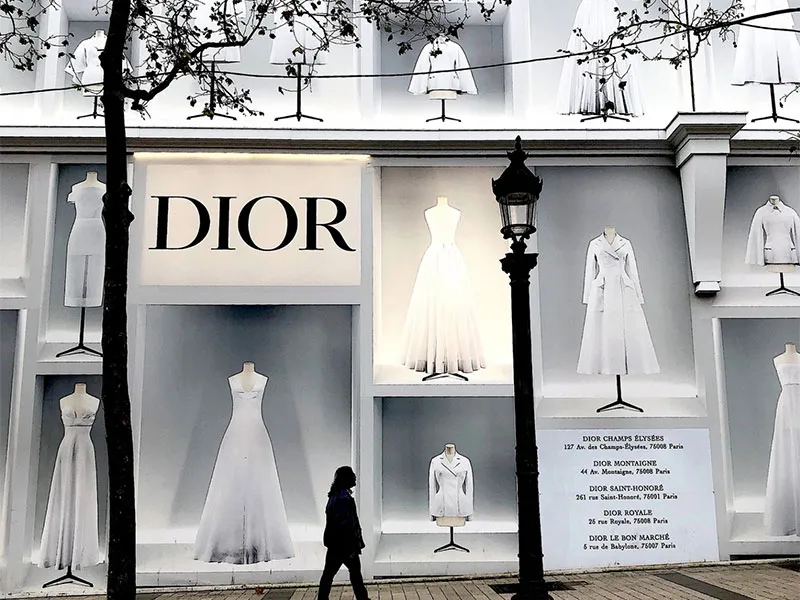
The French Legacy of Haute Couture: Dior

isess2013.org – The House of Dior, founded in 1946 by the visionary designer Christian Dior, has become synonymous with elegance, luxury, and innovation in the world of haute couture. From its inception, Dior has been at the forefront of fashion, setting trends and redefining the silhouette of women’s clothing. The brand’s legacy is a testament to the enduring power of French design and craftsmanship.

The Revolution of the “New Look”

In 1947, Christian Dior introduced his groundbreaking “New Look,” which marked a radical departure from the utilitarian styles of World War II. The collection featured soft shoulders, a cinched waist, and a full skirt, celebrating the femininity and grace that had been absent during the war years. This revolutionary style not only reshaped the fashion industry but also influenced societal perceptions of beauty and femininity.

The Art of Haute Couture

Haute couture, the pinnacle of fashion craftsmanship, is a hallmark of the House of Dior. Each couture piece is a masterpiece, meticulously crafted by hand with the finest materials and the most intricate details. Dior’s atelier, or workshop, is a sanctuary where skilled artisans work tirelessly to bring the designer’s vision to life. The process involves countless hours of work, from the initial sketch to the final fitting, ensuring that each garment is a perfect fit for its wearer.

The Evolution of Dior

Over the years, Dior has evolved, with each creative director leaving their mark on the brand while respecting its heritage. From Yves Saint Laurent, who took the helm after Dior’s untimely death in 1957, to John Galliano, who brought his theatrical flair to the runway, and Raf Simons, who infused modern minimalism into the designs, Dior has continued to push the boundaries of fashion. The current creative director, Maria Grazia Chiuri, has brought a feminist perspective to the brand, celebrating women’s strength and independence.

Dior’s Global Influence

Dior’s influence extends far beyond the fashion world. The brand has become a cultural icon, with its designs adorning some of the most influential women in history. From Grace Kelly to Princess Diana, and from celebrities to modern-day influencers, Dior has dressed women who have left their mark on the world. The brand’s global presence is also evident in its flagship stores and boutiques, which are architectural marvels in themselves, showcasing the brand’s commitment to beauty and luxury.

The Future of Dior

As Dior continues to evolve, it remains committed to its legacy of haute couture while embracing innovation and sustainability. The brand’s recent initiatives, such as the use of eco-friendly materials and the promotion of ethical labor practices, reflect a forward-thinking approach to fashion. Dior’s future is bright, with a rich history to draw upon and a clear vision for the path ahead.

Conclusion

Dior’s enduring legacy is a testament to the timeless appeal of French haute couture. Through its dedication to craftsmanship, innovation, and elegance, Dior has not only shaped the fashion industry but also influenced the way the world perceives beauty and luxury. As the brand looks to the future, it carries with it the spirit of Christian Dior, who once said, “I have designed clothing for women that makes them more beautiful, rather than just adding another decoration.” This philosophy continues to guide Dior, ensuring that its legacy of haute couture will endure for generations to come.