Mood Indigo: A Whimsical and Tragic Love Story

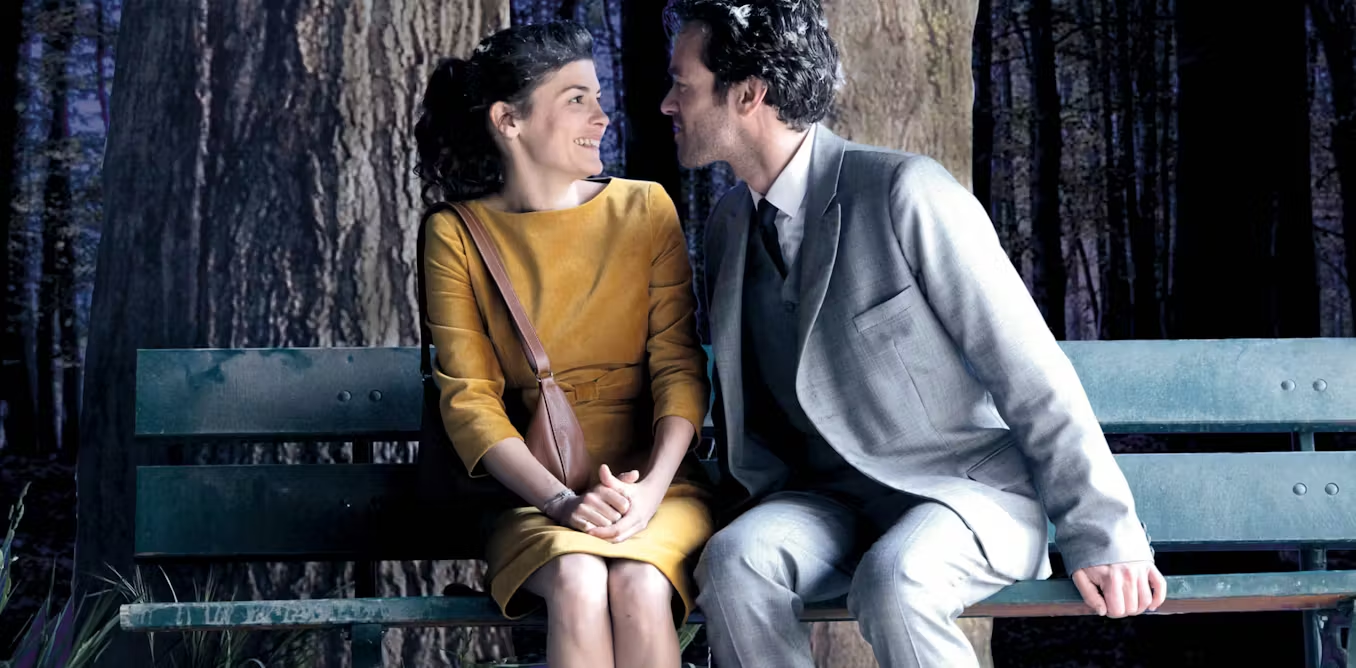
isess2013.org – “Mood Indigo” (L’Écume des jours), a 2013 French romantic fantasy film directed by Michel Gondry, is a visually stunning and emotionally complex adaptation of Boris Vian’s novel of the same name. The film, starring Romain Duris and Audrey Tautou, is known for its whimsical visuals, surreal storytelling, and poignant exploration of love, loss, and the harsh realities of life.

A World of Whimsy and Invention

The film is set in a fantastical version of Paris, where everyday objects are imbued with magic and invention. Characters travel in cloud-cars, doors move on their own, and a “pianocktail” creates cocktails based on the music played on it. This whimsical world provides a vibrant backdrop for the blossoming romance between Colin (Romain Duris), a wealthy and carefree bachelor, and Chloé (Audrey Tautou), a beautiful and enchanting young woman.

Their initial encounters are filled with joy and enchantment, as they explore this fantastical world together. Their love story begins like a dream, filled with laughter, shared passions, and a sense of boundless possibility.

A Tragic Turn and the Decay of Reality

The narrative takes a dramatic turn when Chloé falls ill with a rare and bizarre disease: a water lily begins to grow in her lung. As Colin desperately tries to find a cure, their once vibrant world begins to decay and crumble around them.

The film’s visual style mirrors the emotional shift in the story. The bright colors and whimsical inventions gradually fade, replaced by a more somber and realistic tone. The fantastical elements begin to break down, reflecting the characters’ growing despair.

The Struggle Against Reality

Colin’s attempts to save Chloé become increasingly desperate as he spends his fortune on unconventional treatments. He is forced to confront the harsh realities of life, including financial hardship and the limitations of medicine.

The film poignantly portrays the struggle against reality and the pain of watching a loved one suffer. Colin’s unwavering devotion to Chloé is tested as he faces seemingly insurmountable obstacles.

Themes of Love, Loss, and the Harsh Realities of Life

“Mood Indigo” explores several profound themes:

  • Love and Enchantment: The film celebrates the initial enchantment of love and the joy of shared experiences. The early scenes between Colin and Chloé capture the magic of falling in love.
  • Illness and Loss: The film also confronts the harsh realities of illness and loss. Chloé’s illness and Colin’s struggle to save her highlight the fragility of life and the pain of losing a loved one.
  • The Contrast Between Fantasy and Reality: The film juxtaposes the whimsical fantasy world with the harsh realities of life, creating a stark contrast that emphasizes the emotional impact of the story.
  • The Power of Imagination: Despite the tragic events, the film also celebrates the power of imagination and the ability to find beauty and wonder in the world, even in the face of adversity.

A Visually Stunning and Emotionally Complex Film

“Mood Indigo” is a visually stunning and emotionally complex film that has garnered both praise and criticism for its unique style and tone. Its blend of fantasy, romance, and tragedy creates a memorable and often unsettling cinematic experience. It serves as a reminder of the fleeting nature of happiness and the enduring power of love in the face of life’s challenges.
The French Legacy of Haute Couture: Dior

isess2013.org – The House of Dior, founded in 1946 by the visionary designer Christian Dior, has become synonymous with elegance, luxury, and innovation in the world of haute couture. From its inception, Dior has been at the forefront of fashion, setting trends and redefining the silhouette of women’s clothing. The brand’s legacy is a testament to the enduring power of French design and craftsmanship.

The Revolution of the “New Look”

In 1947, Christian Dior introduced his groundbreaking “New Look,” which marked a radical departure from the utilitarian styles of World War II. The collection featured soft shoulders, a cinched waist, and a full skirt, celebrating the femininity and grace that had been absent during the war years. This revolutionary style not only reshaped the fashion industry but also influenced societal perceptions of beauty and femininity.

The Art of Haute Couture

Haute couture, the pinnacle of fashion craftsmanship, is a hallmark of the House of Dior. Each couture piece is a masterpiece, meticulously crafted by hand with the finest materials and the most intricate details. Dior’s atelier, or workshop, is a sanctuary where skilled artisans work tirelessly to bring the designer’s vision to life. The process involves countless hours of work, from the initial sketch to the final fitting, ensuring that each garment is a perfect fit for its wearer.

The Evolution of Dior

Over the years, Dior has evolved, with each creative director leaving their mark on the brand while respecting its heritage. From Yves Saint Laurent, who took the helm after Dior’s untimely death in 1957, to John Galliano, who brought his theatrical flair to the runway, and Raf Simons, who infused modern minimalism into the designs, Dior has continued to push the boundaries of fashion. The current creative director, Maria Grazia Chiuri, has brought a feminist perspective to the brand, celebrating women’s strength and independence.

Dior’s Global Influence

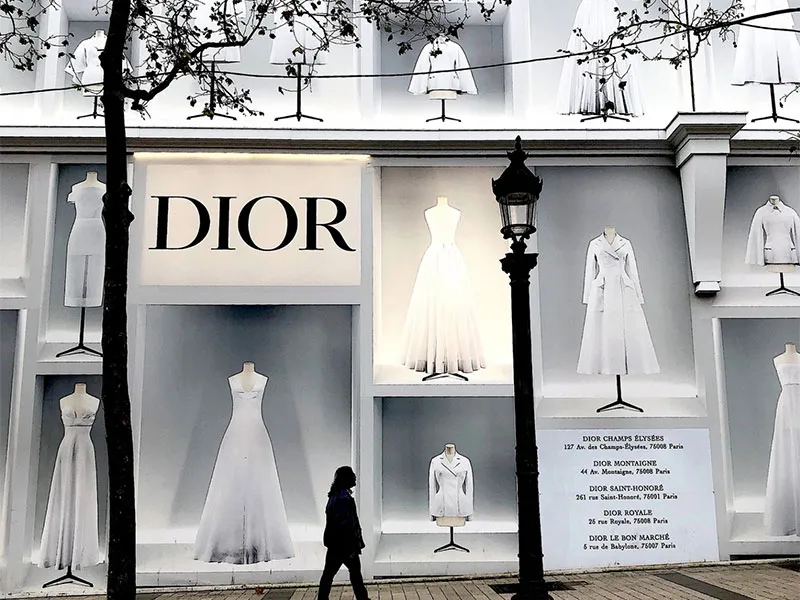
Dior’s influence extends far beyond the fashion world. The brand has become a cultural icon, with its designs adorning some of the most influential women in history. From Grace Kelly to Princess Diana, and from celebrities to modern-day influencers, Dior has dressed women who have left their mark on the world. The brand’s global presence is also evident in its flagship stores and boutiques, which are architectural marvels in themselves, showcasing the brand’s commitment to beauty and luxury.

The Future of Dior

As Dior continues to evolve, it remains committed to its legacy of haute couture while embracing innovation and sustainability. The brand’s recent initiatives, such as the use of eco-friendly materials and the promotion of ethical labor practices, reflect a forward-thinking approach to fashion. Dior’s future is bright, with a rich history to draw upon and a clear vision for the path ahead.

Conclusion

Dior’s enduring legacy is a testament to the timeless appeal of French haute couture. Through its dedication to craftsmanship, innovation, and elegance, Dior has not only shaped the fashion industry but also influenced the way the world perceives beauty and luxury. As the brand looks to the future, it carries with it the spirit of Christian Dior, who once said, “I have designed clothing for women that makes them more beautiful, rather than just adding another decoration.” This philosophy continues to guide Dior, ensuring that its legacy of haute couture will endure for generations to come.