The Last Picture Show (1971): American Nostalgia

isess2013.org – “The Last Picture Show,” directed by Peter Bogdanovich and released in 1971, remains one of the most celebrated films of American cinema. Adapted from Larry McMurtry’s 1966 semi-autobiographical novel, the film captures the poignant story of a dying town in Texas during the early 1950s, a period of transition and cultural shifts. Set in the fictional town of Anarene, the film portrays the melancholy end of both a way of life and the innocence of its young inhabitants.

Capturing the Spirit of the 1950s

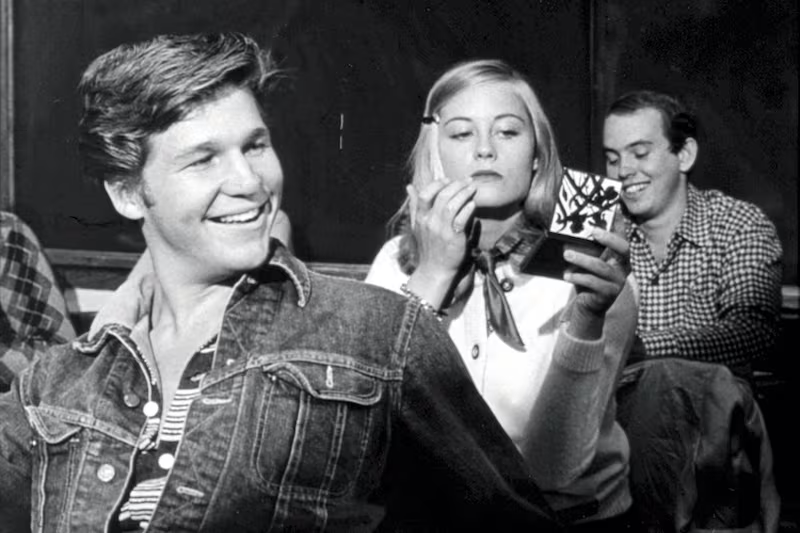
The story revolves around two high school seniors, Sonny Crawford (Timothy Bottoms) and Duane Jackson (Jeff Bridges), as they come to grips with the uncertainties of adulthood. Alongside their personal struggles with love, identity, and loss, the film reflects the changing social landscape of post-World War II America. The title itself refers to the closing of the town’s movie theater, symbolizing the end of a cherished tradition and way of life.

The cinematography, shot in black-and-white by Robert Surtees, evokes a strong sense of nostalgia. This decision not only sets the film apart visually but also reinforces its themes of loss, loneliness, and decay. The empty, wide Texas plains and the desolate streets mirror the emotional barrenness of the characters.

An Ensemble Cast of Remarkable Performances

The cast of “The Last Picture Show” is a standout, featuring several actors who would go on to become major stars. Timothy Bottoms delivers a moving performance as the sensitive and conflicted Sonny, while Jeff Bridges shines in one of his earliest roles, playing the brash yet vulnerable Duane. Cybill Shepherd, in her debut role as the alluring but manipulative Jacy Farrow, perfectly embodies the conflict between innocence and seduction.

The supporting cast is just as powerful. Cloris Leachman, as the emotionally neglected housewife Ruth Popper, gives a raw and heartbreaking performance that earned her the Academy Award for Best Supporting Actress. Ben Johnson, as Sam the Lion, a father figure to Sonny and the moral backbone of the town, also won an Academy Award for Best Supporting Actor. His monologue about lost love is one of the film’s most memorable scenes, embodying the film’s themes of regret and longing for the past.

Themes of Isolation, Sexuality, and Moral Decay

“The Last Picture Show” is more than just a nostalgic look at a bygone era. Its exploration of human relationships, the complexities of sexuality, and the disillusionment of adulthood make it a deeply resonant work. The characters’ sexual relationships are fraught with confusion and desperation, often leaving them more isolated than before. The film does not shy away from the harsher realities of life, portraying its characters’ flaws and vulnerabilities in a brutally honest manner.

In many ways, the film also reflects the uncertainty and disillusionment that was pervasive in America in the early 1970s. As the country was dealing with the aftermath of the 1960s and the Vietnam War, “The Last Picture Show” mirrored those feelings of moral decay and cultural stagnation through the lens of a small, forgotten town.

A Legacy of Timelessness

Upon its release, “The Last Picture Show” received critical acclaim and was nominated for eight Academy Awards, including Best Picture and Best Director. Over the years, its reputation has only grown, and it is now considered one of the finest American films ever made.

The film’s emotional depth, complex characters, and exploration of universal themes continue to resonate with audiences decades later. “The Last Picture Show” is a powerful meditation on the inevitability of change and the pain of looking back at what has been lost, making it a timeless masterpiece in the canon of American cinema.
Mood Indigo: A Whimsical and Tragic Love Story

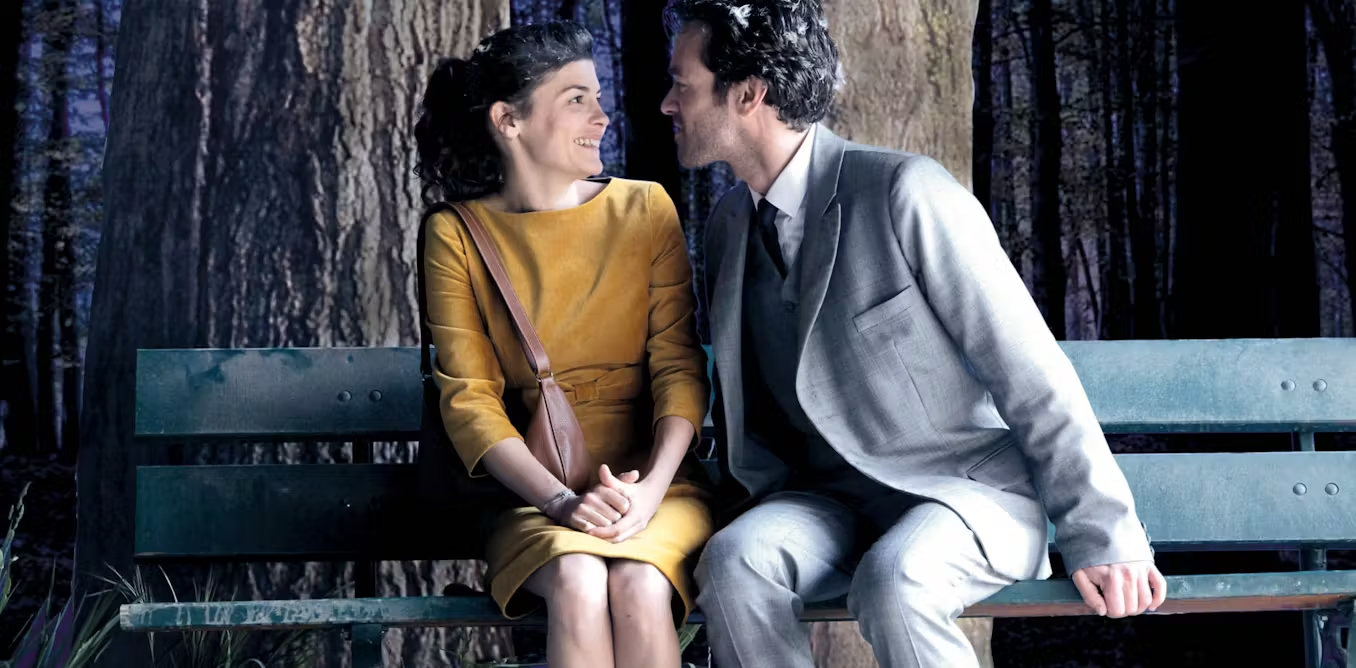
isess2013.org – “Mood Indigo” (L’Écume des jours), a 2013 French romantic fantasy film directed by Michel Gondry, is a visually stunning and emotionally complex adaptation of Boris Vian’s novel of the same name. The film, starring Romain Duris and Audrey Tautou, is known for its whimsical visuals, surreal storytelling, and poignant exploration of love, loss, and the harsh realities of life.

A World of Whimsy and Invention

The film is set in a fantastical version of Paris, where everyday objects are imbued with magic and invention. Characters travel in cloud-cars, doors move on their own, and a “pianocktail” creates cocktails based on the music played on it. This whimsical world provides a vibrant backdrop for the blossoming romance between Colin (Romain Duris), a wealthy and carefree bachelor, and Chloé (Audrey Tautou), a beautiful and enchanting young woman.

Their initial encounters are filled with joy and enchantment, as they explore this fantastical world together. Their love story begins like a dream, filled with laughter, shared passions, and a sense of boundless possibility.

A Tragic Turn and the Decay of Reality

The narrative takes a dramatic turn when Chloé falls ill with a rare and bizarre disease: a water lily begins to grow in her lung. As Colin desperately tries to find a cure, their once vibrant world begins to decay and crumble around them.

The film’s visual style mirrors the emotional shift in the story. The bright colors and whimsical inventions gradually fade, replaced by a more somber and realistic tone. The fantastical elements begin to break down, reflecting the characters’ growing despair.

The Struggle Against Reality

Colin’s attempts to save Chloé become increasingly desperate as he spends his fortune on unconventional treatments. He is forced to confront the harsh realities of life, including financial hardship and the limitations of medicine.

The film poignantly portrays the struggle against reality and the pain of watching a loved one suffer. Colin’s unwavering devotion to Chloé is tested as he faces seemingly insurmountable obstacles.

Themes of Love, Loss, and the Harsh Realities of Life

“Mood Indigo” explores several profound themes:

  • Love and Enchantment: The film celebrates the initial enchantment of love and the joy of shared experiences. The early scenes between Colin and Chloé capture the magic of falling in love.
  • Illness and Loss: The film also confronts the harsh realities of illness and loss. Chloé’s illness and Colin’s struggle to save her highlight the fragility of life and the pain of losing a loved one.
  • The Contrast Between Fantasy and Reality: The film juxtaposes the whimsical fantasy world with the harsh realities of life, creating a stark contrast that emphasizes the emotional impact of the story.
  • The Power of Imagination: Despite the tragic events, the film also celebrates the power of imagination and the ability to find beauty and wonder in the world, even in the face of adversity.

A Visually Stunning and Emotionally Complex Film

“Mood Indigo” is a visually stunning and emotionally complex film that has garnered both praise and criticism for its unique style and tone. Its blend of fantasy, romance, and tragedy creates a memorable and often unsettling cinematic experience. It serves as a reminder of the fleeting nature of happiness and the enduring power of love in the face of life’s challenges.

Harmony: Music, Hope, and Redemption Behind Bars

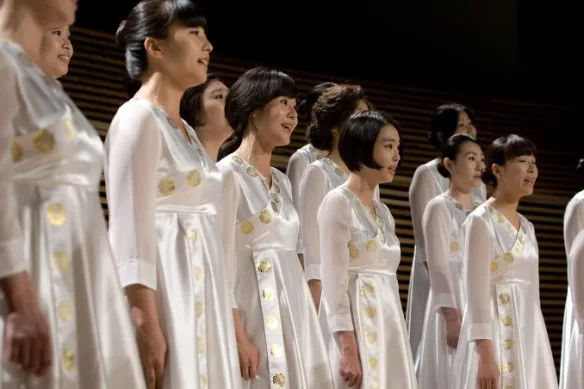
isess2013.org – Harmony (하모니; Hamoni) is a 2010 South Korean drama film directed by Kang Dae-kyu. This heartwarming and emotionally resonant film tells the story of a women’s choir formed within a prison. It explores themes of redemption, forgiveness, and the power of music to heal and connect individuals, even in the most challenging of circumstances.

Hong Jeong-hye: A Mother’s Desperate Plea

The story centers around Hong Jeong-hye (Kim Yunjin), a woman imprisoned for killing her abusive husband. While in prison, she gives birth to a son, Min-woo. However, according to prison regulations, she must give him up for adoption after 18 months. Desperate to spend more time with her child before he is taken away, Jeong-hye proposes the formation of a choir within the prison.

An Unlikely Ensemble: Finding Voices Behind Bars

Jeong-hye’s proposal is initially met with resistance from the prison authorities and skepticism from the other inmates. However, with the help of a kind prison officer, Na-yeong (Kang Ye-won), she manages to gather a group of women with diverse backgrounds and personalities. This unlikely ensemble forms the core of the prison choir.

Music as a Source of Healing and Connection

As the women begin to rehearse and sing together, they discover the transformative power of music. The choir becomes a source of solace, allowing them to express their emotions, share their stories, and find a sense of community within the confines of the prison. The music acts as a bridge, connecting them to their pasts, their hopes for the future, and to each other.

Overcoming Obstacles and Finding Redemption

The formation and maintenance of the choir are not without their challenges. The women face internal conflicts, external pressures from the prison authorities, and their own personal struggles. However, through their shared love of music and their growing bond, they overcome these obstacles and find a sense of redemption.

A Mother’s Love and the Pain of Separation

At the heart of Harmony is the poignant story of Jeong-hye’s love for her son and the impending separation they face. The film sensitively portrays the emotional turmoil of a mother forced to give up her child and the longing for connection that drives her actions.

Powerful Performances and Emotional Resonance

The performances in Harmony are deeply moving and contribute significantly to the film’s emotional impact. Kim Yunjin delivers a powerful performance as Jeong-hye, capturing her strength, vulnerability, and unwavering love for her son. The supporting cast also delivers strong performances, creating a believable and empathetic portrayal of the prison community.

A Heartwarming Story That Leaves a Lasting Impression

Harmony is a heartwarming and emotionally resonant film that explores the power of music, the importance of human connection, and the possibility of redemption even in the darkest of places. It’s a story that stays with the viewer long after the credits roll, prompting reflection on the themes of hope, forgiveness, and the enduring strength of the human spirit.

Angkor: Cambodia Express (1982): A Forgotten Gem

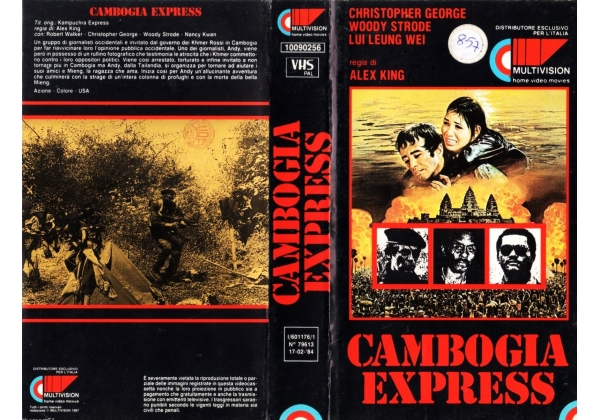
isess2013.org Angkor: Cambodia Express, released by Sega in 1982, is a relatively obscure arcade game that, despite its lack of widespread recognition, holds a significant place in video game history. It’s a fascinating early example of the run-and-gun genre, predating better-known titles like Contra and Metal Slug and showcasing innovative gameplay mechanics for its time. While not a household name, Angkor deserves recognition for its contributions to arcade action.

Gameplay and Mechanics: A Fast-Paced Escape

The core gameplay of Angkor: Cambodia Express revolves around a single player controlling a character fleeing through various Cambodian landscapes. The player character is constantly moving to the right, and the player’s primary actions involve shooting enemies and leaping over obstacles. This constant forward momentum and focus on shooting while moving are key elements that define the run-and-gun genre.   

The player is armed with a gun that can fire in multiple directions, allowing them to take down enemies approaching from the front, above, and even diagonally. This multi-directional shooting was a notable feature for its time, adding depth to the combat. Enemies come in various forms, including soldiers, jeeps, and even helicopters, requiring players to adapt their tactics.

Obstacles such as rivers, cliffs, and barricades also litter the player’s path. Players must time their jumps carefully to avoid falling to their doom or crashing into obstacles. This combination of shooting and platforming created a fast-paced and challenging experience.

Visuals and Presentation: A Snapshot of Early Arcade Graphics

Angkor: Cambodia Express utilized early arcade hardware, resulting in visuals that, by today’s standards, appear simple. However, for 1982, the game’s graphics were reasonably detailed and effectively conveyed the game’s setting. The backgrounds depicted jungle environments, ruins (presumably of Angkor Wat itself), and other Cambodian landscapes, providing a sense of place.

The character and enemy sprites were relatively small but clearly distinguishable. The animations, while limited, were sufficient to convey movement and action. The game’s color palette was typical of arcade games of the era, utilizing bright and vibrant colors to attract attention in arcades.

Sound and Audio: Simple but Effective Accompaniment

The sound design in Angkor: Cambodia Express was also typical of early arcade games. Simple sound effects accompanied actions like shooting and jumping, while basic background music played throughout the game. While not particularly memorable or complex, the sound design effectively complemented the on-screen action.

Legacy and Influence: A Stepping Stone for Run-and-Gun Games

While Angkor: Cambodia Express didn’t achieve the same level of fame as later run-and-gun titles, it played a crucial role in the development of the genre. Its core gameplay mechanics of constant forward movement, multi-directional shooting, and obstacle avoidance laid the groundwork for future classics.

Games like Contra, Metal Slug, and Gunstar Heroes built upon the foundation laid by Angkor, refining and expanding upon its core concepts. While often overlooked in discussions of run-and-gun history, Angkor: Cambodia Express deserves recognition as an important precursor to these iconic titles. It’s a fascinating glimpse into the early days of arcade action and a testament to the innovative spirit of early game developers. Its focus on fast-paced action and constant movement helped define a genre that continues to be popular today.

We’ll Take Manhattan: A Romance in the Swinging Sixties

isess2013.org – We’ll Take Manhattan is a captivating dramatized account of the tempestuous love affair between renowned fashion photographer David Bailey and iconic model Jean Shrimpton. Set against the backdrop of the swinging sixties, the film delves into the whirlwind romance that not only captivated the public but also revolutionized the world of fashion and photography.   

A Week That Changed Everything

In 1962, Bailey and Shrimpton were sent to New York City for a prestigious Vogue photo shoot. What unfolded was more than just a professional assignment; it was a passionate love affair that would change their lives forever. The film captures the intensity of their connection, their creative partnership, and their tumultuous relationship.   

A Glimpse into the Swinging Sixties

We’ll Take Manhattan offers a glimpse into the vibrant and rebellious culture of the sixties. The film portrays the hedonistic lifestyle of young, talented individuals who were pushing the boundaries of fashion, art, and music. The backdrop of New York City, with its iconic landmarks and bustling energy, provides a fitting setting for this romantic drama.

A Visual Feast

The film is visually stunning, with stunning cinematography that captures the style and glamour of the sixties. The costumes, hair, and makeup are meticulously recreated, transporting viewers back to a bygone era. The film’s attention to detail, from the vintage cars to the trendy fashion, adds authenticity to the story.

A Timeless Love Story

While We’ll Take Manhattan is a historical drama, it also explores universal themes of love, passion, and the complexities of relationships. The film’s portrayal of Bailey and Shrimpton’s tumultuous romance is both romantic and heartbreaking, highlighting the highs and lows of their intense connection.

Conclusion

We’ll Take Manhattan is a captivating and stylish film that offers a fresh perspective on the lives of two iconic figures. It’s a love story, a fashion story, and a cultural snapshot of a transformative era. The film’s stunning visuals, compelling performances, and evocative soundtrack make it a must-watch for fans of fashion, photography, and classic cinema.

Rocco and His Brothers: A Exploration of Family, and Love

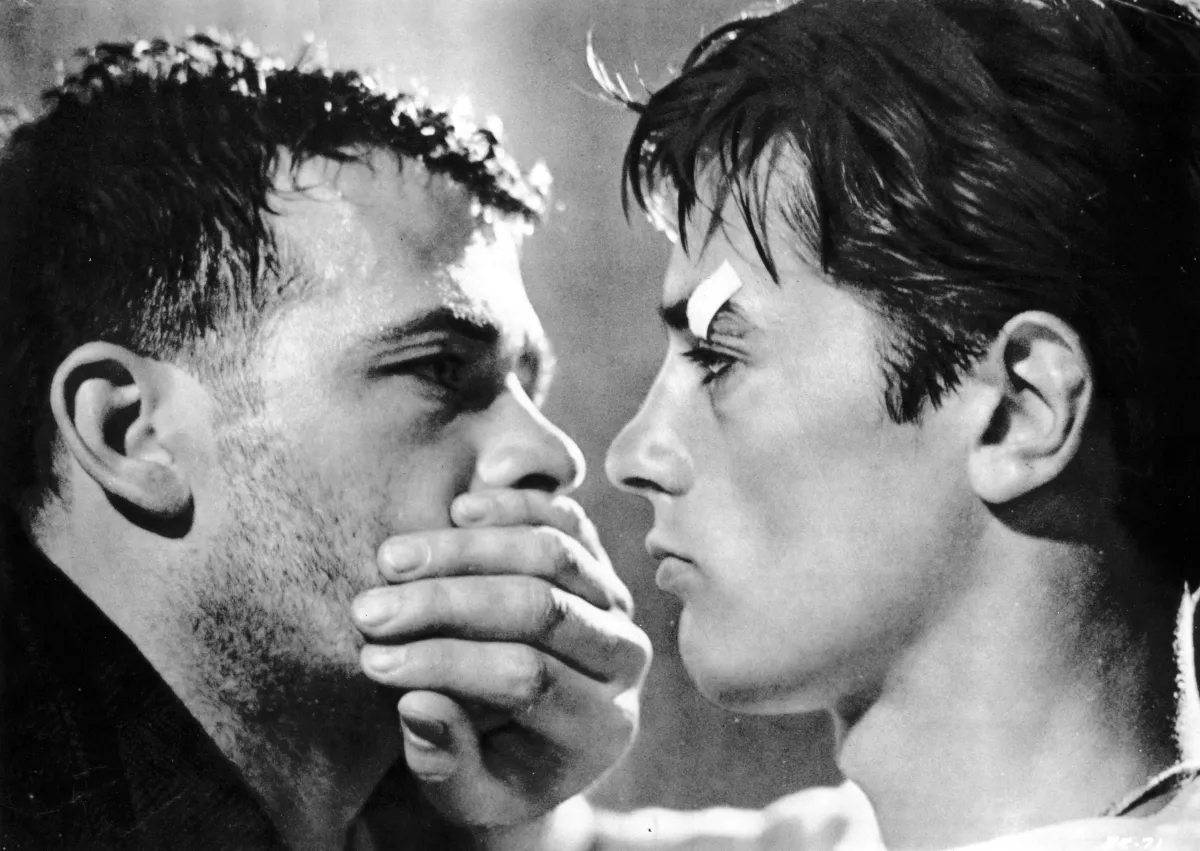
isess2013.org – Rocco and His Brothers (1962), directed by Luchino Visconti, is a powerful and tragic exploration of the lives of five brothers who emigrate from the Italian countryside to Milan in the 1950s. The film is a stark portrayal of urban poverty, corruption, and the destructive power of passion.

A Family Divided

The film follows the Corleone brothers as they navigate the challenges of city life. Each brother faces their own struggles, from the pressures of work to the temptations of love and violence. The eldest brother, Simone, is a boxer who dreams of a better life for his family. Ciro, the second-oldest, is a charismatic womanizer who becomes involved in a dangerous criminal underworld. Rocco, the youngest, is a sensitive and idealistic young man who falls in love with Nadia, a beautiful and troubled woman.

A Neo-Realist Masterpiece

Rocco and His Brothers is a masterpiece of Italian Neorealism, a film movement that sought to depict the lives of ordinary people in a realistic and often harsh manner. Visconti’s film captures the gritty reality of urban life, showcasing the poverty, violence, and moral decay that plagued Italian cities in the post-war period.

The film’s powerful performances, stunning cinematography, and evocative score create a haunting and unforgettable cinematic experience. The iconic scene of Simone’s brutal boxing match is a testament to the film’s raw power and emotional impact.

A Timeless Tale of Love and Loss

Rocco and His Brothers is a timeless tale of love, loss, and the human condition. The film’s exploration of family, friendship, and betrayal continues to resonate with audiences today. It is a powerful and moving film that offers a critical look at the social and economic issues that plagued Italy in the mid-20th century.

The Great Kidnapping: A Gritty Tale of Crime and Corruption

isess2013.org – Released in 1973, The Great Kidnapping (also known as La polizia sta a guardare) is a gritty and intense Italian crime thriller that delves into the world of organized crime and police corruption. Directed by Roberto Infascelli, the film is a classic example of the poliziottesco genre, known for its realistic portrayal of violence and its exploration of social issues.   

A Town Under Siege

The film is set in a small Italian town that is plagued by a series of kidnappings. A ruthless gang, led by the charismatic and ruthless Jovine (played by Lee J. Cobb), has been terrorizing the community, kidnapping wealthy young men and demanding exorbitant ransoms.   

Commissioner Cardone (played by Enrico Maria Salerno), a determined and incorruptible police officer, is tasked with bringing the criminals to justice. However, he soon discovers that the police force is riddled with corruption, and that the kidnappers have powerful connections within the government.   

A Gritty and Realistic Portrayal of Crime

The Great Kidnapping is a gritty and realistic portrayal of crime and corruption in Italy during the 1970s. The film’s violence is unflinching and its characters are morally ambiguous. The film’s focus on the psychological impact of crime on both the victims and the perpetrators is particularly noteworthy.   

The film’s strong performances, particularly those of Enrico Maria Salerno and Lee J. Cobb, elevate the film to a higher level. The film’s tense atmosphere, coupled with its suspenseful plot, make it a thrilling and unforgettable cinematic experience.

A Cult Classic

The Great Kidnapping is a cult classic that has gained a dedicated following over the years. Its gritty realism, complex characters, and social commentary make it a timeless masterpiece of Italian cinema. The film’s influence can be seen in countless crime films and television shows that followed, and it remains a must-watch for fans of the genre.

My Name Is Alfred Hitchcock: A Masterful Deep Dive

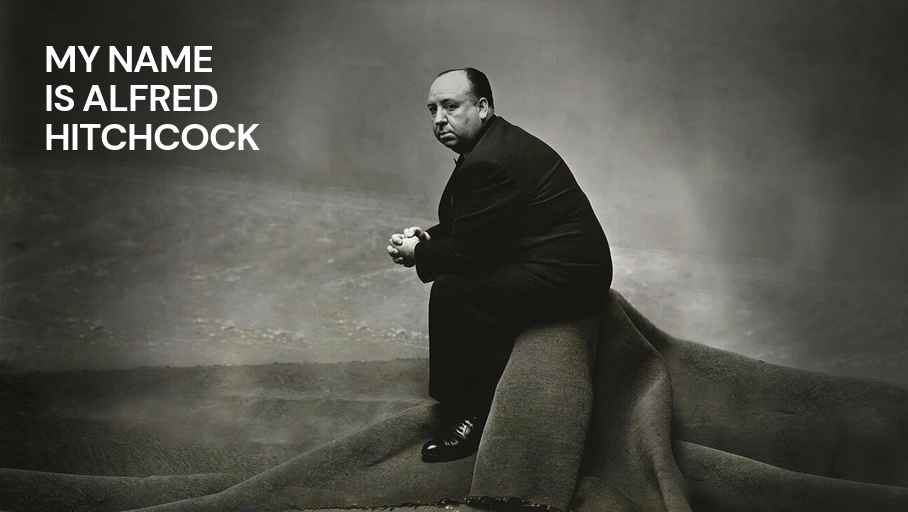
isess2013.org My Name Is Alfred Hitchcock is a 2022 British documentary film written and directed by Mark Cousins. It’s a unique and innovative exploration of the life and work of one of cinema’s greatest directors, Alfred Hitchcock.   

A Fictionalized Hitchcock Narrates His Own Story   

The film employs a fascinating narrative device: a fictionalized Alfred Hitchcock, voiced by a talented actor, narrates the documentary himself. This approach allows for a deeply personal and insightful exploration of Hitchcock’s films and his creative process. It’s as if Hitchcock is guiding us through his own cinematic universe.   

A Masterclass in Filmmaking

The documentary delves into Hitchcock’s iconic films, analyzing his signature techniques and exploring the underlying themes that permeate his work. From the suspenseful thrillers to the psychological dramas, Cousins expertly dissects Hitchcock’s cinematic language, highlighting his mastery of suspense, editing, and sound design.   

A Personal and Intimate Look at the Master

Beyond the technical analysis, the film also offers a more personal and intimate look at Hitchcock. It explores his relationships with actors, his creative process, and his obsessions. Through the fictionalized Hitchcock’s narration, we gain a deeper understanding of the man behind the movies.   

A Visual Feast

The film is visually stunning, with meticulously selected clips from Hitchcock’s films. The editing is sharp and precise, creating a dynamic and engaging viewing experience. The use of music and sound design further enhances the film’s atmosphere, drawing the viewer into the world of Hitchcock.   

A Timeless Tribute

“My Name Is Alfred Hitchcock” is a timeless tribute to one of cinema’s greatest masters. It’s a film that will appeal to both casual moviegoers and dedicated cinephiles. Whether you’re a long-time Hitchcock fan or new to his work, this documentary offers a fresh and insightful perspective on his legacy.

Shampoo: A Satirical Look at the Swinging Sixties

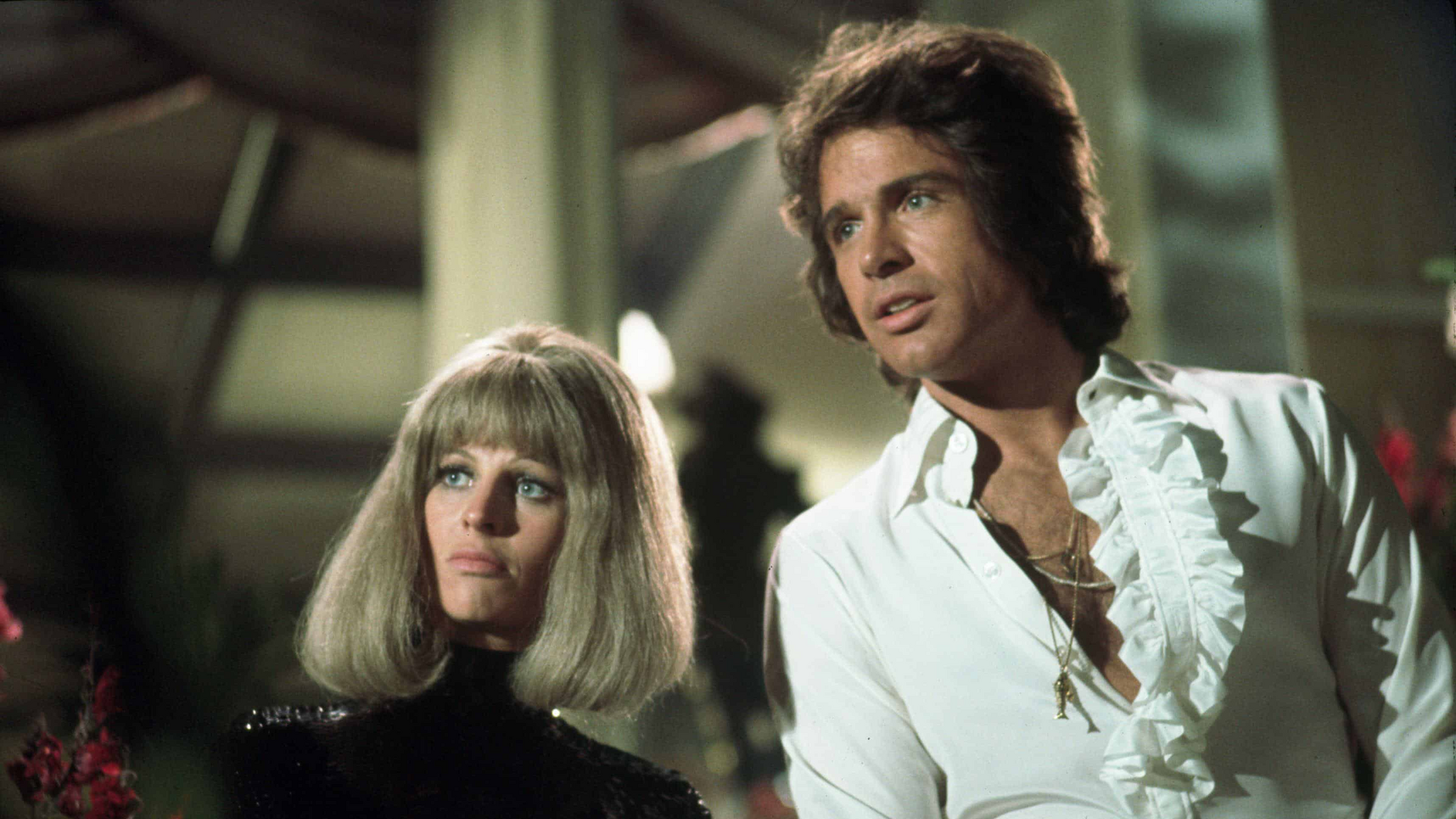
isess2013.org Shampoo is a 1975 American comedy-drama film directed by Hal Ashby and starring Warren Beatty, Julie Christie, and Goldie Hawn. Set in Los Angeles in 1968, the film offers a satirical look at the sexual politics and social upheaval of the era.   

A Roaring Sixties Love Fest

The film centers around George Roundy, a charismatic and promiscuous hairdresser who navigates the complex world of Hollywood and politics. His life is a whirlwind of affairs with various women, including a wealthy socialite, a naive young woman, and a political campaign manager. As the 1968 presidential election looms, George finds himself caught up in a web of deceit, betrayal, and political intrigue.   

Shampoo is a witty and insightful exploration of the sexual revolution and the counterculture movement. The film’s characters are both charming and flawed, and their interactions are often humorous and insightful. The film’s dialogue is sharp and witty, filled with clever one-liners and biting satire.   

A Satirical Look at American Politics and Culture

The film also offers a satirical look at American politics and culture. The 1968 presidential election serves as a backdrop to the film’s story, highlighting the political divisions and social unrest of the time. The film’s characters are often caught up in the political turmoil, adding a layer of complexity to their relationships and motivations.   

Shampoo is a visually stylish film, with its vibrant colors and energetic pacing. The film’s soundtrack, featuring popular songs from the 1960s, adds to its nostalgic and upbeat tone.

A Timeless Comedy-Drama

Despite being set in the 1960s, Shampoo remains a relevant and entertaining film. Its themes of love, sex, and power continue to resonate with audiences today. The film’s sharp wit, memorable characters, and stylish direction make it a classic of American cinema.

Shampoo is a must-watch for fans of comedy, drama, and satire. Its exploration of the sexual revolution and the counterculture movement offers a unique and insightful perspective on a pivotal moment in American history.

Venom: A Lethal Protector – A World of Symbiotes

isess2013.org – Venom is a popular superhero film series based on the Marvel Comics character of the same name. The films, produced by Columbia Pictures in association with Marvel, have captivated audiences with their unique blend of action, humor, and horror.

Tom Hardy as Eddie Brock/Venom

At the heart of the Venom franchise is the dynamic duo of Eddie Brock, a struggling journalist, and the alien symbiote, Venom. Tom Hardy delivers a captivating performance as both characters, seamlessly switching between the human and the alien. His portrayal of the complex relationship between Eddie and Venom is one of the film’s greatest strengths.

A Dark and Twisted Anti-Hero

Venom is a morally ambiguous character who is both a hero and a villain. The symbiote grants Eddie incredible powers, but it also brings out his darker side. The film explores the blurred lines between good and evil, as Eddie struggles to control the alien within him.   

A World of Symbiotes

The Venom films introduce a wide range of symbiotes, each with its own unique abilities and personality. From the monstrous Carnage to the enigmatic Riot, these alien entities add depth and complexity to the franchise.   

A Unique Blend of Genres

The Venom films blend elements of superhero, horror, and comedy. The films’ dark and gritty tone, combined with their humorous and self-aware nature, creates a unique and entertaining viewing experience.

First Blood: The Birth of an Iconic Action Legend

isess2013.org – “First Blood,” released in 1982, is an American action film that introduced audiences to the iconic character John Rambo. Directed by Ted Kotcheff and based on David Morrell’s 1972 novel of the same name, the film stars Sylvester Stallone in the titular role. “First Blood” is not just an action-packed thriller but also a poignant commentary on the struggles faced by Vietnam War veterans.

Plot Overview

The film follows John Rambo, a former Green Beret and Vietnam War veteran, who is drifting through a small town in search of a fellow soldier. When he is met with hostility and arrested by the local sheriff, Teasle, Rambo’s traumatic war memories are triggered, leading him to escape into the wilderness. What ensues is a tense and gripping cat-and-mouse chase as Rambo, using his combat skills, fights for survival against the sheriff’s forces.

Themes and Character Development

“First Blood” delves into themes of alienation, PTSD, and the mistreatment of veterans. Rambo’s character embodies the struggles of many Vietnam veterans who returned home to a society that neither understood nor supported them. Throughout the film, Stallone portrays Rambo with a mix of vulnerability and ferocity, making him a complex and sympathetic character.

Cinematic Style and Impact

The film is lauded for its intense action sequences and Stallone’s compelling performance, which set a new standard for the action genre. The rugged landscapes and the film’s pacing contribute to a constant sense of tension and urgency. “First Blood” was a commercial success and led to the creation of a franchise that solidified Rambo as a cultural icon.

Critical Reception

Upon its release, “First Blood” received positive reviews for its unique approach to the action genre, combining thrilling set pieces with a deeper narrative. Critics praised Stallone’s portrayal of Rambo, as well as the film’s commentary on the societal challenges faced by veterans. It stands as a classic in American cinema, influencing countless action films that followed.

Conclusion

“First Blood” is more than just an action film; it is a story of survival, resilience, and the quest for justice. By addressing the psychological scars of war and the plight of veterans, the film offers a powerful narrative that resonates with audiences even today. Its success laid the groundwork for an enduring franchise and cemented John Rambo’s place as one of the most memorable characters in film history.

Tom Yum Goong (2005) – A Martial Arts Masterpiece

isess2013.org – “Tom Yum Goong,” also known internationally as “The Protector,” is a 2005 Thai martial arts film directed by Prachya Pinkaew. Starring the renowned martial artist Tony Jaa, this film is famous for its intense action sequences and breathtaking stunts. The movie showcases traditional Muay Thai fighting techniques and is a follow-up to the highly successful “Ong-Bak: Muay Thai Warrior.”

Plot Summary

The film follows Kham, a young Thai man played by Tony Jaa, who embarks on a mission to rescue his beloved elephants that have been stolen by an international criminal organization. The elephants are taken to Sydney, Australia, where they are intended to be used for an illegal trade. Kham’s journey leads him into a world of danger and deception as he battles his way through a series of formidable opponents to retrieve his treasured elephants.

Characters and Performances

Tony Jaa delivers a mesmerizing performance as Kham, showcasing his incredible martial arts skills and athleticism. His dedication to performing his own stunts without the use of CGI or wires adds authenticity and excitement to the action scenes. Supporting performances by Petchtai Wongkamlao and Bongkoj Khongmalai contribute to the film’s dynamic narrative, providing both comedic relief and emotional depth.

Action and Cinematography

“Tom Yum Goong” is celebrated for its innovative and thrilling action sequences. One of the most memorable scenes is a single-take fight sequence in a multi-story building, showcasing Jaa’s agility and fighting prowess. The film’s choreography emphasizes traditional Muay Thai techniques, highlighting Jaa’s ability to blend artistry with combat. The cinematography captures the raw energy and intensity of each fight, immersing the audience in the action.

Themes and Cultural Significance

The film explores themes of loyalty, justice, and cultural heritage. By focusing on Kham’s deep connection with his elephants, the story emphasizes the importance of preserving cultural traditions and the bond between humans and animals. The film also introduces international audiences to the art of Muay Thai, contributing to its global popularity and appreciation.

Reception and Legacy

“Tom Yum Goong” was well-received by audiences and critics for its groundbreaking action sequences and Tony Jaa’s performance. It played a significant role in establishing Jaa as a global martial arts star and elevated the status of Thai cinema on the international stage. The film’s impact is evident in its influence on subsequent martial arts films and its lasting appeal to action movie enthusiasts.

Conclusion

“Tom Yum Goong” is a must-see for fans of martial arts cinema. Its combination of thrilling action, cultural depth, and Tony Jaa’s extraordinary skills make it a standout film in the genre. Whether you’re a martial arts aficionado or simply enjoy high-octane action, this film delivers an unforgettable experience that continues to resonate with audiences worldwide.

Keluarga Cemara (2019) – Resilience and Family Values

isess2013.org – “Keluarga Cemara,” a 2019 Indonesian film directed by Yandy Laurens, is a heartfelt adaptation of the beloved television series and novels by Arswendo Atmowiloto. This family drama captures the essence of resilience and the enduring strength of familial bonds, striking a chord with audiences across generations. With its universal themes and relatable characters, “Keluarga Cemara” offers a poignant reflection on the values that hold families together.

Plot and Themes

The story follows the Cemara family, who, after experiencing financial ruin, must leave their comfortable urban life and start anew in a rural village. The family consists of the father, Abah, portrayed by Ringgo Agus Rahman; the mother, Emak, played by Nirina Zubir; and their two daughters, Euis and Ara, played by Zara JKT48 and Widuri Puteri respectively. As they adjust to their new life, the family learns to adapt to their modest circumstances and discovers the true meaning of wealth and happiness.

“Keluarga Cemara” emphasizes themes of resilience, humility, and the importance of togetherness. The film beautifully illustrates how adversity can strengthen familial bonds and how simple pleasures can bring joy and fulfillment. It challenges viewers to reconsider their definitions of success and happiness, focusing instead on love, support, and understanding.

Cinematic Excellence

Director Yandy Laurens brings a refreshing sincerity to the film, capturing the nuances of family life with warmth and authenticity. The performances by the cast are heartfelt and genuine, particularly Ringgo Agus Rahman and Nirina Zubir, whose chemistry as Abah and Emak adds depth to the portrayal of a loving partnership. The film’s cinematography captures the idyllic rural setting, enhancing the narrative’s emphasis on simplicity and contentment.

Cultural Significance

“Keluarga Cemara” resonates deeply with Indonesian audiences, evoking nostalgia for the original series while introducing its timeless messages to a new generation. The film serves as a reminder of the cultural values that are cherished in Indonesian society, such as respect for elders, communal harmony, and the prioritization of family over material wealth. Its success underscores the enduring appeal of stories that celebrate the richness of human connections and the resilience of the human spirit.

Conclusion

“Keluarga Cemara” is a touching tribute to the enduring power of family. Its engaging narrative and relatable characters make it a film that can be enjoyed by audiences of all ages. By highlighting the importance of love, sacrifice, and togetherness, “Keluarga Cemara” offers a heartwarming reminder of what truly matters in life. Through its compelling storytelling and heartfelt performances, the film continues to inspire and uplift, leaving a lasting impact on those who experience it.

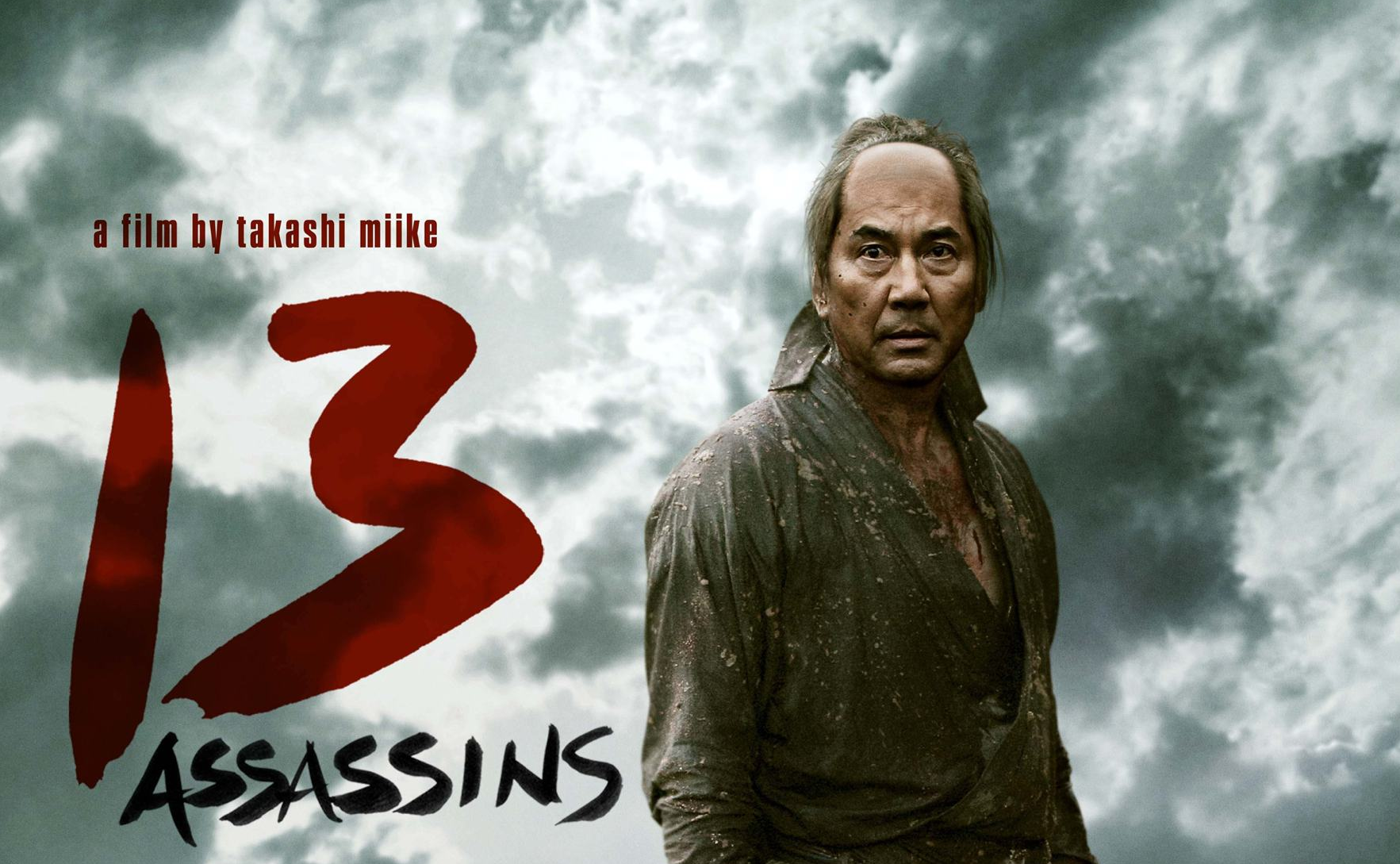
The Epic Tale of “13 Assassins” (2010): A Cinematic Masterpiece

isess2013.org – “13 Assassins,” directed by Takashi Miike, is a 2010 Japanese samurai film that stands out as a modern homage to classic samurai cinema. Set in the twilight of the Edo period, the film offers a gripping narrative of honor, sacrifice, and the fight against tyranny.

Plot Overview

The story unfolds in 1844, during a time of peace in feudal Japan. Lord Naritsugu Matsudaira, the sadistic half-brother of the shogun, commits heinous acts that threaten the stability of the nation. A group of samurai, led by Shinzaemon Shimada, is secretly assembled to assassinate Naritsugu and prevent further atrocities. The film follows these 13 warriors as they devise a daring plan to ambush Naritsugu and his entourage.

Themes and Motifs

“13 Assassins” explores themes of duty, justice, and the moral complexities of taking a life for the greater good. The film delves into the samurai code of honor, examining the lengths to which these warriors will go to uphold their principles. It raises questions about the nature of power and the responsibility of those who wield it.

Cinematic Style

Takashi Miike masterfully blends intense action sequences with moments of quiet introspection. The film’s climax, an epic battle in a booby-trapped village, is a testament to Miike’s skill in crafting visually stunning and emotionally charged scenes. The attention to historical detail and the authentic portrayal of samurai culture further enhance the film’s impact.

Character Development

Each of the 13 assassins is given a distinct personality, contributing to the depth of the narrative. Shinzaemon Shimada emerges as a stoic and determined leader, while his nephew, Shinrouko, adds a personal dimension to the story. The film also provides insight into Naritsugu’s depravity, making the assassins’ mission both a personal and moral imperative.

Critical Reception

“13 Assassins” received widespread acclaim for its direction, storytelling, and action choreography. Critics praised Miike for balancing the film’s dramatic tension with explosive action, creating a compelling narrative that resonates with audiences. The film has been celebrated as a modern classic, earning a place alongside legendary samurai films.

Conclusion

“13 Assassins” is a riveting exploration of courage, loyalty, and the fight against tyranny. It combines the rich tradition of samurai cinema with a modern sensibility, delivering a powerful story that captivates and inspires. For fans of historical epics and action films, “13 Assassins” is an essential viewing experience that showcases the artistry of Japanese filmmaking.

An In-Depth Look at “Climates” (İklimler)

isess2013.org – “Climates” (İklimler) is a poignant Turkish film directed by Nuri Bilge Ceylan, released in 2006. Known for its introspective storytelling and stunning cinematography, the film explores the complexities of human emotions and relationships. Ceylan, who also stars in the film, crafts a narrative that is both subtle and profound, inviting audiences to delve into the inner lives of its characters.

Plot Summary

The film follows the turbulent relationship between İsa, a university professor, and Bahar, a television art director. As their relationship begins to unravel, İsa embarks on a journey of self-discovery and reflection. Set against the backdrop of Turkey’s diverse landscapes, from the bustling city of Istanbul to the serene beauty of Anatolia, “Climates” captures the shifting emotional states of its characters with remarkable clarity.

Themes and Analysis

“Climates” is a meditation on the passage of time, the inevitability of change, and the nature of human connection. The film’s title itself is a metaphor for the emotional climates that shape our lives, reflecting the inner turmoil and transitions experienced by İsa and Bahar.

The Transience of Relationships

At its core, “Climates” examines the fragility and transience of romantic relationships. İsa and Bahar’s interactions reveal the unspoken tensions and unmet needs that often go unnoticed until it is too late. Through their story, Ceylan delves into the complexities of love, loss, and the search for meaning in human connections.

Visual Storytelling

Ceylan’s use of visual storytelling is a hallmark of “Climates.” The film employs a minimalist aesthetic, with long, lingering shots that capture the mood and atmosphere of each scene. The changing seasons serve as a metaphor for the evolving emotional states of the characters, while the natural landscapes reflect their inner struggles.

Cinematic Techniques

Ceylan’s directorial style in “Climates” is characterized by its attention to detail and the use of silence to convey emotion. The film’s pacing allows for moments of introspection, encouraging viewers to engage with the characters’ inner worlds. Ceylan’s own performance as İsa adds a layer of authenticity, as he navigates the complexities of a man grappling with his own shortcomings.

Conclusion

“Climates” is a masterful exploration of the human condition, offering a poignant reflection on the nature of relationships and the emotional climates that define our lives. Through its evocative cinematography and nuanced storytelling, the film invites audiences to contemplate the passage of time and the ever-changing landscapes of love and loss. Nuri Bilge Ceylan’s “Climates” stands as a testament to the power of cinema to illuminate the intricacies of the human heart.

The Left Ear (2015): Adolescence and Heartbreak

isess2013.org – “The Left Ear” is a 2015 Chinese film directed by Alec Su, based on the best-selling novel by Rao Xueman. This coming-of-age drama delves into the complexities of teenage life, exploring themes of love, betrayal, and the search for identity. With its engaging storyline and strong performances, “The Left Ear” captures the raw emotions and turbulent experiences of adolescence.

Plot Overview

The film centers around a group of teenagers navigating the challenges of growing up. Li Er, the protagonist, is a 17-year-old girl with a hearing impairment in her left ear. Her life takes a dramatic turn when she becomes involved with a group of peers who are each dealing with their own struggles.

The story unfolds as Li Er befriends Zhang Yang, a rebellious and misunderstood boy, and Ba La, a mysterious girl with a troubled past. As their relationships deepen, secrets are revealed, and the characters are forced to confront their fears and insecurities. The film poignantly portrays the impact of friendship, love, and loss on young lives.

Themes and Style

“The Left Ear” explores several themes relevant to teenagers, including the complexity of relationships, the pain of unrequited love, and the journey of self-discovery. The film effectively captures the emotional intensity of adolescence, using a blend of drama and romance to engage the audience.

Visually, the film employs a vibrant color palette and dynamic cinematography, reflecting the youthful energy and emotional volatility of its characters. The use of music further enhances the film’s atmosphere, providing an emotive backdrop to the unfolding drama.

Critical Reception

Upon its release, “The Left Ear” received mixed reviews from critics. While some praised the film for its heartfelt performances and relatable storyline, others criticized it for its melodramatic elements and pacing issues. Despite these critiques, the film resonated with audiences, particularly among younger viewers who identified with its themes and characters.

The performances of the young cast, particularly Ouyang Nana as Li Er and Chen Duling as Ba La, were highlighted as standout elements of the film. Their portrayals brought depth and authenticity to the characters, contributing to the film’s emotional impact.

Conclusion

“The Left Ear” is a poignant exploration of the challenges and triumphs of adolescence. Through its engaging narrative and compelling performances, the film offers a window into the hearts and minds of young people navigating the complexities of life and love. As a coming-of-age story, “The Left Ear” resonates with audiences, reminding us of the universal experiences that define our formative years.

One Flew Over the Cuckoo’s Nest: A Cinematic Masterpiece

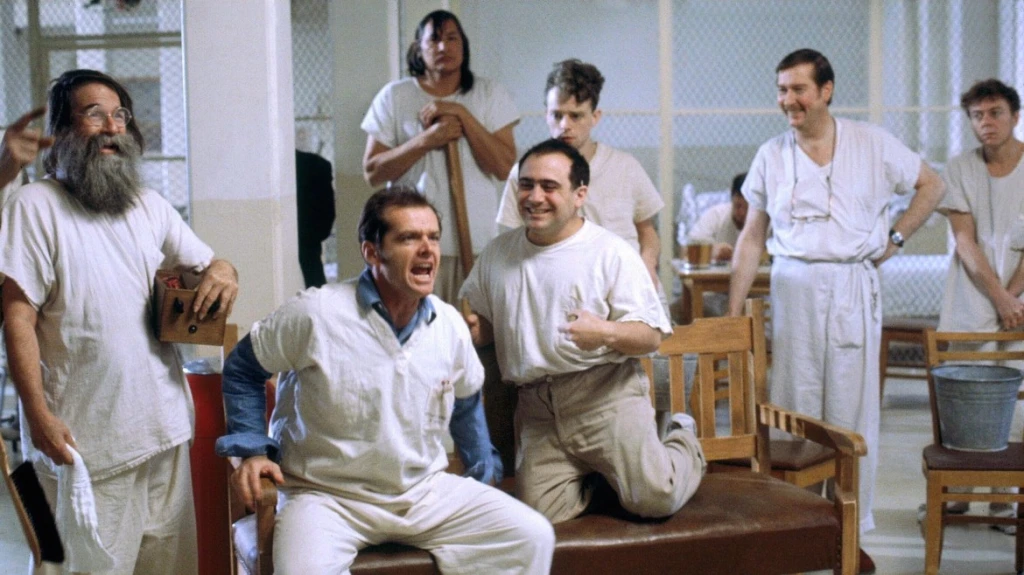
isess2013.org – “One Flew Over the Cuckoo’s Nest” is a novel by Ken Kesey, published in 1962, which later became an iconic film in 1975 directed by Miloš Forman. The story is set in an Oregon psychiatric hospital and serves as a powerful critique of institutional processes and the impact of authoritative control on individual freedom and identity.

Plot Overview

The narrative centers around Randle P. McMurphy, a rebellious and charismatic convict who fakes insanity to serve his prison sentence in a mental institution rather than a labor camp. Once inside, McMurphy clashes with the tyrannical Nurse Ratched, who exercises absolute power over the inmates. His presence brings a sense of hope and defiance among the other patients, leading to dramatic and transformative events within the ward.

Themes and Symbolism

The novel and film explore themes of power, control, and individuality versus conformity. Nurse Ratched represents the oppressive force of institutional authority, while McMurphy embodies resistance and the struggle for personal autonomy. The story also delves into the dehumanizing effects of mental health treatment practices of the time, questioning the fine line between sanity and insanity.

Visual and Cinematic Achievements

The film adaptation of “One Flew Over the Cuckoo’s Nest” is celebrated for its powerful performances, particularly by Jack Nicholson as McMurphy and Louise Fletcher as Nurse Ratched. The film effectively captures the oppressive atmosphere of the mental institution and uses visual storytelling to highlight the emotional and psychological depths of the characters. Its realistic portrayal of the setting, combined with a poignant script, earned it critical acclaim and numerous awards, including five Academy Awards.

Cultural Impact and Legacy

“One Flew Over the Cuckoo’s Nest” remains a significant cultural touchstone, resonating with audiences for its exploration of themes related to freedom, individuality, and the abuse of power. Both the novel and film have sparked discussions about mental health care, societal norms, and the human spirit’s resilience. The story’s enduring relevance is a testament to Kesey’s insightful writing and Forman’s masterful direction, ensuring its place as a classic in both literature and cinema.

Conclusion

“One Flew Over the Cuckoo’s Nest” continues to captivate and challenge audiences with its poignant critique of institutional authority and its celebration of the human spirit’s indomitable nature. Whether experienced through Kesey’s original novel or Forman’s acclaimed film adaptation, the story offers a thought-provoking exploration of power, freedom, and the complexities of the human condition.

The Grandeur and Controversy of “Padmaavat”

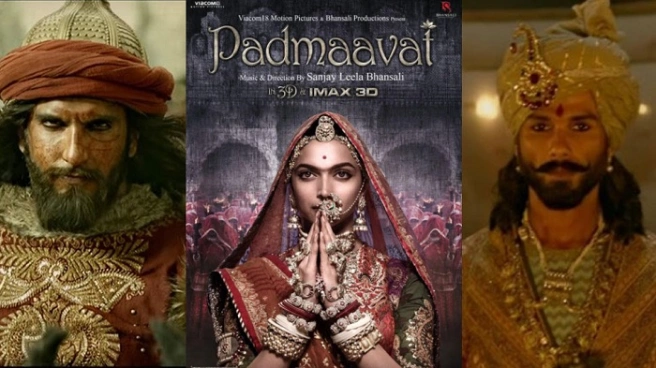
isess2013.org – “Padmaavat,” directed by Sanjay Leela Bhansali, is an epic period drama that showcases the valor, beauty, and sacrifice of the legendary queen Padmavati. Released in 2018, the film stars Deepika Padukone, Ranveer Singh, and Shahid Kapoor in the lead roles. Based on the epic poem “Padmavat” by Malik Muhammad Jayasi, the movie captures the essence of medieval Rajasthan and has been lauded for its breathtaking visuals and powerful performances.

A Historical Saga Set in Medieval India

The film is set in the 13th century and tells the story of Rani Padmavati, the queen of Mewar, known for her unparalleled beauty and intelligence. Shahid Kapoor portrays Maharawal Ratan Singh, Padmavati’s devoted husband and the ruler of Mewar. Ranveer Singh takes on the role of Sultan Alauddin Khilji, who becomes obsessed with capturing Padmavati, leading to a dramatic clash between love and power.

Plot: Love, Honor, and Bravery

“Padmaavat” weaves a narrative of love and honor as Rani Padmavati and Maharawal Ratan Singh strive to protect their kingdom from Khilji’s relentless pursuit. The film portrays the courage and strength of Padmavati as she stands against Khilji’s advances, highlighting themes of sacrifice and dignity. The story culminates in a poignant and heroic act by Padmavati and the women of Mewar, emphasizing their unwavering resolve.

Visual Splendor and Musical Brilliance

Sanjay Leela Bhansali, known for his opulent filmmaking style, delivers a visual spectacle with “Padmaavat.” The film’s grand sets, intricate costumes, and stunning cinematography transport audiences to the regal world of medieval India. The music, composed by Bhansali himself, complements the narrative with soulful melodies like “Ghoomar” and “Binte Dil,” further enriching the cinematic experience.

Controversy and Reception

“Padmaavat” faced significant controversy prior to its release, with protests and legal challenges questioning its portrayal of historical events. Despite these hurdles, the film received critical acclaim for its artistic direction and compelling performances. Deepika Padukone’s portrayal of Rani Padmavati was particularly praised for capturing the dignity and strength of her character.

Conclusion: A Tribute to Legendary Valor

“Padmaavat” stands as a testament to the rich history and cultural heritage of India, celebrating the legendary tales of valor and sacrifice. The film not only captivates with its grandeur and storytelling but also sparks conversations about historical narratives and artistic expression. With its remarkable performances and visual grandeur, “Padmaavat” remains an unforgettable epic in the realm of Indian cinema.

A Star is Born: A Tale of Love and Fame

isess2013.org – “A Star is Born” is a timeless story that has captured the imagination of audiences through its multiple film adaptations. The 2018 version, directed by Bradley Cooper and starring Lady Gaga, reimagines this classic tale with a modern twist, exploring themes of love, fame, and the personal demons that accompany them.

The Plot

The film follows the meteoric rise of aspiring singer Ally (Lady Gaga) and her relationship with seasoned musician Jackson Maine (Bradley Cooper). As Ally’s career takes off, Jackson struggles with his declining fame and personal issues, leading to a poignant exploration of the sacrifices and challenges faced by those in the spotlight.

Characters and Performances

Lady Gaga’s portrayal of Ally is both raw and powerful, showcasing her musical prowess and emotional depth. Bradley Cooper not only delivers a compelling performance as Jackson but also makes his directorial debut with the film. Their chemistry is electric, drawing viewers into their complex relationship.

Themes and Motifs

“A Star is Born” delves into themes of love, ambition, and the cost of fame. It highlights the pressures of the music industry and the toll it takes on personal relationships. The film’s soundtrack, featuring hits like “Shallow,” serves as a powerful narrative tool, enhancing the emotional impact of the story.

Reception and Impact

The film was a critical and commercial success, earning multiple award nominations and winning an Academy Award for Best Original Song. Its exploration of universal themes resonates with audiences, solidifying its place as a beloved adaptation of the classic story.

Conclusion

“A Star is Born” is a poignant depiction of the highs and lows of stardom, brought to life by compelling performances and a heartfelt narrative. Its enduring appeal lies in its ability to connect with audiences on an emotional level, reminding us of the complexities of love and ambition.