The Last Picture Show (1971): American Nostalgia

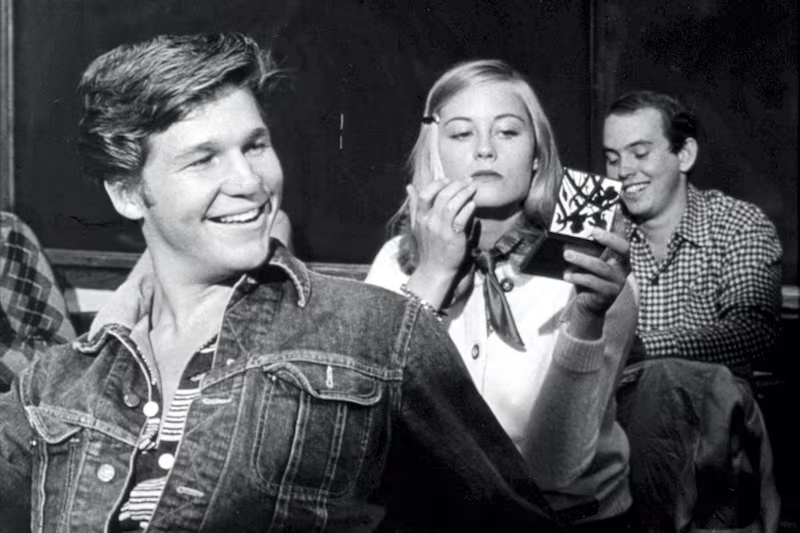
isess2013.org – “The Last Picture Show,” directed by Peter Bogdanovich and released in 1971, remains one of the most celebrated films of American cinema. Adapted from Larry McMurtry’s 1966 semi-autobiographical novel, the film captures the poignant story of a dying town in Texas during the early 1950s, a period of transition and cultural shifts. Set in the fictional town of Anarene, the film portrays the melancholy end of both a way of life and the innocence of its young inhabitants.

Capturing the Spirit of the 1950s

The story revolves around two high school seniors, Sonny Crawford (Timothy Bottoms) and Duane Jackson (Jeff Bridges), as they come to grips with the uncertainties of adulthood. Alongside their personal struggles with love, identity, and loss, the film reflects the changing social landscape of post-World War II America. The title itself refers to the closing of the town’s movie theater, symbolizing the end of a cherished tradition and way of life.

The cinematography, shot in black-and-white by Robert Surtees, evokes a strong sense of nostalgia. This decision not only sets the film apart visually but also reinforces its themes of loss, loneliness, and decay. The empty, wide Texas plains and the desolate streets mirror the emotional barrenness of the characters.

An Ensemble Cast of Remarkable Performances

The cast of “The Last Picture Show” is a standout, featuring several actors who would go on to become major stars. Timothy Bottoms delivers a moving performance as the sensitive and conflicted Sonny, while Jeff Bridges shines in one of his earliest roles, playing the brash yet vulnerable Duane. Cybill Shepherd, in her debut role as the alluring but manipulative Jacy Farrow, perfectly embodies the conflict between innocence and seduction.

The supporting cast is just as powerful. Cloris Leachman, as the emotionally neglected housewife Ruth Popper, gives a raw and heartbreaking performance that earned her the Academy Award for Best Supporting Actress. Ben Johnson, as Sam the Lion, a father figure to Sonny and the moral backbone of the town, also won an Academy Award for Best Supporting Actor. His monologue about lost love is one of the film’s most memorable scenes, embodying the film’s themes of regret and longing for the past.

Themes of Isolation, Sexuality, and Moral Decay

“The Last Picture Show” is more than just a nostalgic look at a bygone era. Its exploration of human relationships, the complexities of sexuality, and the disillusionment of adulthood make it a deeply resonant work. The characters’ sexual relationships are fraught with confusion and desperation, often leaving them more isolated than before. The film does not shy away from the harsher realities of life, portraying its characters’ flaws and vulnerabilities in a brutally honest manner.

In many ways, the film also reflects the uncertainty and disillusionment that was pervasive in America in the early 1970s. As the country was dealing with the aftermath of the 1960s and the Vietnam War, “The Last Picture Show” mirrored those feelings of moral decay and cultural stagnation through the lens of a small, forgotten town.

A Legacy of Timelessness

Upon its release, “The Last Picture Show” received critical acclaim and was nominated for eight Academy Awards, including Best Picture and Best Director. Over the years, its reputation has only grown, and it is now considered one of the finest American films ever made.

The film’s emotional depth, complex characters, and exploration of universal themes continue to resonate with audiences decades later. “The Last Picture Show” is a powerful meditation on the inevitability of change and the pain of looking back at what has been lost, making it a timeless masterpiece in the canon of American cinema.

Tom Yum Goong (2005) – A Martial Arts Masterpiece

isess2013.org – “Tom Yum Goong,” also known internationally as “The Protector,” is a 2005 Thai martial arts film directed by Prachya Pinkaew. Starring the renowned martial artist Tony Jaa, this film is famous for its intense action sequences and breathtaking stunts. The movie showcases traditional Muay Thai fighting techniques and is a follow-up to the highly successful “Ong-Bak: Muay Thai Warrior.”

Plot Summary

The film follows Kham, a young Thai man played by Tony Jaa, who embarks on a mission to rescue his beloved elephants that have been stolen by an international criminal organization. The elephants are taken to Sydney, Australia, where they are intended to be used for an illegal trade. Kham’s journey leads him into a world of danger and deception as he battles his way through a series of formidable opponents to retrieve his treasured elephants.

Characters and Performances

Tony Jaa delivers a mesmerizing performance as Kham, showcasing his incredible martial arts skills and athleticism. His dedication to performing his own stunts without the use of CGI or wires adds authenticity and excitement to the action scenes. Supporting performances by Petchtai Wongkamlao and Bongkoj Khongmalai contribute to the film’s dynamic narrative, providing both comedic relief and emotional depth.

Action and Cinematography

“Tom Yum Goong” is celebrated for its innovative and thrilling action sequences. One of the most memorable scenes is a single-take fight sequence in a multi-story building, showcasing Jaa’s agility and fighting prowess. The film’s choreography emphasizes traditional Muay Thai techniques, highlighting Jaa’s ability to blend artistry with combat. The cinematography captures the raw energy and intensity of each fight, immersing the audience in the action.

Themes and Cultural Significance

The film explores themes of loyalty, justice, and cultural heritage. By focusing on Kham’s deep connection with his elephants, the story emphasizes the importance of preserving cultural traditions and the bond between humans and animals. The film also introduces international audiences to the art of Muay Thai, contributing to its global popularity and appreciation.

Reception and Legacy

“Tom Yum Goong” was well-received by audiences and critics for its groundbreaking action sequences and Tony Jaa’s performance. It played a significant role in establishing Jaa as a global martial arts star and elevated the status of Thai cinema on the international stage. The film’s impact is evident in its influence on subsequent martial arts films and its lasting appeal to action movie enthusiasts.

Conclusion

“Tom Yum Goong” is a must-see for fans of martial arts cinema. Its combination of thrilling action, cultural depth, and Tony Jaa’s extraordinary skills make it a standout film in the genre. Whether you’re a martial arts aficionado or simply enjoy high-octane action, this film delivers an unforgettable experience that continues to resonate with audiences worldwide.

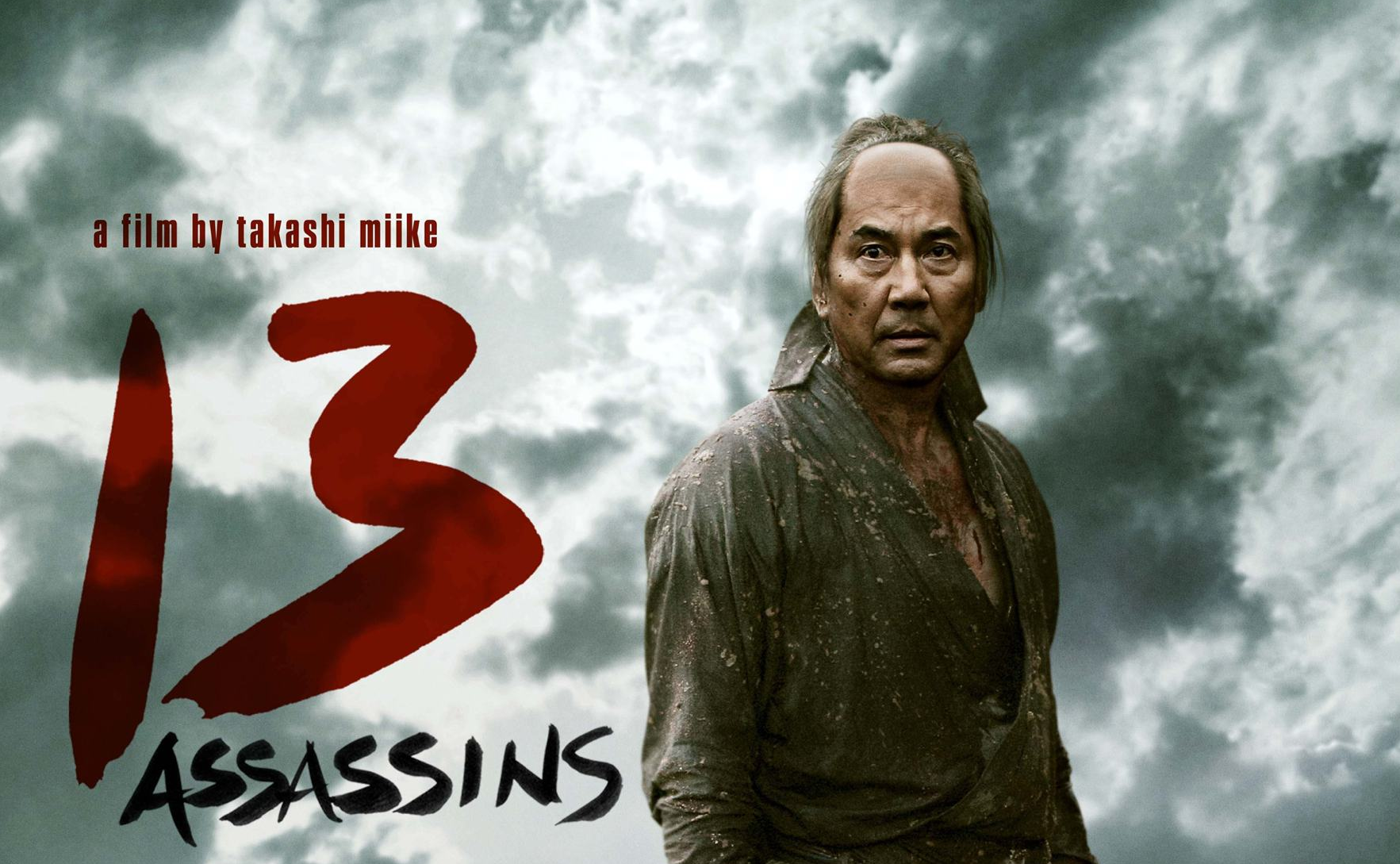
The Epic Tale of “13 Assassins” (2010): A Cinematic Masterpiece

isess2013.org – “13 Assassins,” directed by Takashi Miike, is a 2010 Japanese samurai film that stands out as a modern homage to classic samurai cinema. Set in the twilight of the Edo period, the film offers a gripping narrative of honor, sacrifice, and the fight against tyranny.

Plot Overview

The story unfolds in 1844, during a time of peace in feudal Japan. Lord Naritsugu Matsudaira, the sadistic half-brother of the shogun, commits heinous acts that threaten the stability of the nation. A group of samurai, led by Shinzaemon Shimada, is secretly assembled to assassinate Naritsugu and prevent further atrocities. The film follows these 13 warriors as they devise a daring plan to ambush Naritsugu and his entourage.

Themes and Motifs

“13 Assassins” explores themes of duty, justice, and the moral complexities of taking a life for the greater good. The film delves into the samurai code of honor, examining the lengths to which these warriors will go to uphold their principles. It raises questions about the nature of power and the responsibility of those who wield it.

Cinematic Style

Takashi Miike masterfully blends intense action sequences with moments of quiet introspection. The film’s climax, an epic battle in a booby-trapped village, is a testament to Miike’s skill in crafting visually stunning and emotionally charged scenes. The attention to historical detail and the authentic portrayal of samurai culture further enhance the film’s impact.

Character Development

Each of the 13 assassins is given a distinct personality, contributing to the depth of the narrative. Shinzaemon Shimada emerges as a stoic and determined leader, while his nephew, Shinrouko, adds a personal dimension to the story. The film also provides insight into Naritsugu’s depravity, making the assassins’ mission both a personal and moral imperative.

Critical Reception

“13 Assassins” received widespread acclaim for its direction, storytelling, and action choreography. Critics praised Miike for balancing the film’s dramatic tension with explosive action, creating a compelling narrative that resonates with audiences. The film has been celebrated as a modern classic, earning a place alongside legendary samurai films.

Conclusion

“13 Assassins” is a riveting exploration of courage, loyalty, and the fight against tyranny. It combines the rich tradition of samurai cinema with a modern sensibility, delivering a powerful story that captivates and inspires. For fans of historical epics and action films, “13 Assassins” is an essential viewing experience that showcases the artistry of Japanese filmmaking.

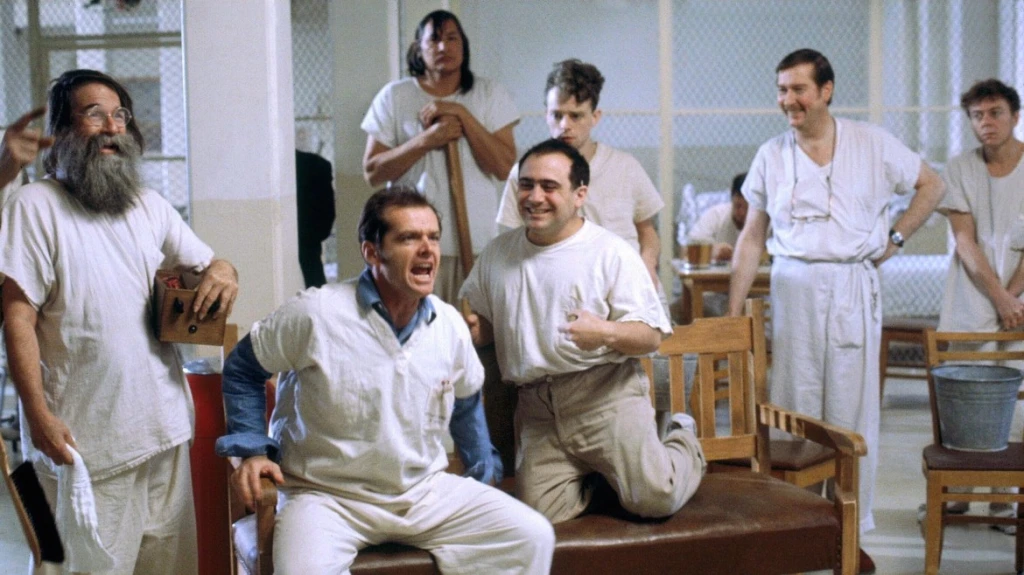
One Flew Over the Cuckoo’s Nest: A Cinematic Masterpiece

isess2013.org – “One Flew Over the Cuckoo’s Nest” is a novel by Ken Kesey, published in 1962, which later became an iconic film in 1975 directed by Miloš Forman. The story is set in an Oregon psychiatric hospital and serves as a powerful critique of institutional processes and the impact of authoritative control on individual freedom and identity.

Plot Overview

The narrative centers around Randle P. McMurphy, a rebellious and charismatic convict who fakes insanity to serve his prison sentence in a mental institution rather than a labor camp. Once inside, McMurphy clashes with the tyrannical Nurse Ratched, who exercises absolute power over the inmates. His presence brings a sense of hope and defiance among the other patients, leading to dramatic and transformative events within the ward.

Themes and Symbolism

The novel and film explore themes of power, control, and individuality versus conformity. Nurse Ratched represents the oppressive force of institutional authority, while McMurphy embodies resistance and the struggle for personal autonomy. The story also delves into the dehumanizing effects of mental health treatment practices of the time, questioning the fine line between sanity and insanity.

Visual and Cinematic Achievements

The film adaptation of “One Flew Over the Cuckoo’s Nest” is celebrated for its powerful performances, particularly by Jack Nicholson as McMurphy and Louise Fletcher as Nurse Ratched. The film effectively captures the oppressive atmosphere of the mental institution and uses visual storytelling to highlight the emotional and psychological depths of the characters. Its realistic portrayal of the setting, combined with a poignant script, earned it critical acclaim and numerous awards, including five Academy Awards.

Cultural Impact and Legacy

“One Flew Over the Cuckoo’s Nest” remains a significant cultural touchstone, resonating with audiences for its exploration of themes related to freedom, individuality, and the abuse of power. Both the novel and film have sparked discussions about mental health care, societal norms, and the human spirit’s resilience. The story’s enduring relevance is a testament to Kesey’s insightful writing and Forman’s masterful direction, ensuring its place as a classic in both literature and cinema.

Conclusion

“One Flew Over the Cuckoo’s Nest” continues to captivate and challenge audiences with its poignant critique of institutional authority and its celebration of the human spirit’s indomitable nature. Whether experienced through Kesey’s original novel or Forman’s acclaimed film adaptation, the story offers a thought-provoking exploration of power, freedom, and the complexities of the human condition.

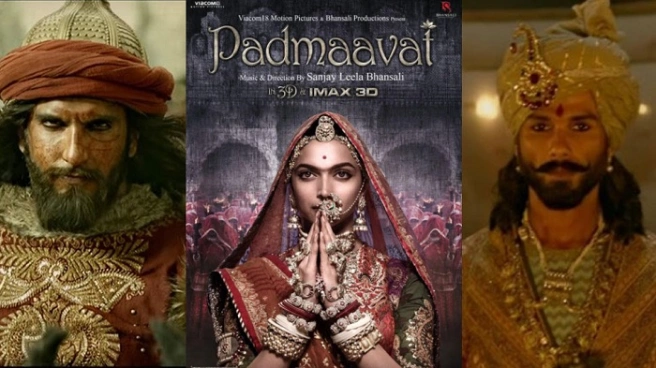
The Grandeur and Controversy of “Padmaavat”

isess2013.org – “Padmaavat,” directed by Sanjay Leela Bhansali, is an epic period drama that showcases the valor, beauty, and sacrifice of the legendary queen Padmavati. Released in 2018, the film stars Deepika Padukone, Ranveer Singh, and Shahid Kapoor in the lead roles. Based on the epic poem “Padmavat” by Malik Muhammad Jayasi, the movie captures the essence of medieval Rajasthan and has been lauded for its breathtaking visuals and powerful performances.

A Historical Saga Set in Medieval India

The film is set in the 13th century and tells the story of Rani Padmavati, the queen of Mewar, known for her unparalleled beauty and intelligence. Shahid Kapoor portrays Maharawal Ratan Singh, Padmavati’s devoted husband and the ruler of Mewar. Ranveer Singh takes on the role of Sultan Alauddin Khilji, who becomes obsessed with capturing Padmavati, leading to a dramatic clash between love and power.

Plot: Love, Honor, and Bravery

“Padmaavat” weaves a narrative of love and honor as Rani Padmavati and Maharawal Ratan Singh strive to protect their kingdom from Khilji’s relentless pursuit. The film portrays the courage and strength of Padmavati as she stands against Khilji’s advances, highlighting themes of sacrifice and dignity. The story culminates in a poignant and heroic act by Padmavati and the women of Mewar, emphasizing their unwavering resolve.

Visual Splendor and Musical Brilliance

Sanjay Leela Bhansali, known for his opulent filmmaking style, delivers a visual spectacle with “Padmaavat.” The film’s grand sets, intricate costumes, and stunning cinematography transport audiences to the regal world of medieval India. The music, composed by Bhansali himself, complements the narrative with soulful melodies like “Ghoomar” and “Binte Dil,” further enriching the cinematic experience.

Controversy and Reception

“Padmaavat” faced significant controversy prior to its release, with protests and legal challenges questioning its portrayal of historical events. Despite these hurdles, the film received critical acclaim for its artistic direction and compelling performances. Deepika Padukone’s portrayal of Rani Padmavati was particularly praised for capturing the dignity and strength of her character.

Conclusion: A Tribute to Legendary Valor

“Padmaavat” stands as a testament to the rich history and cultural heritage of India, celebrating the legendary tales of valor and sacrifice. The film not only captivates with its grandeur and storytelling but also sparks conversations about historical narratives and artistic expression. With its remarkable performances and visual grandeur, “Padmaavat” remains an unforgettable epic in the realm of Indian cinema.