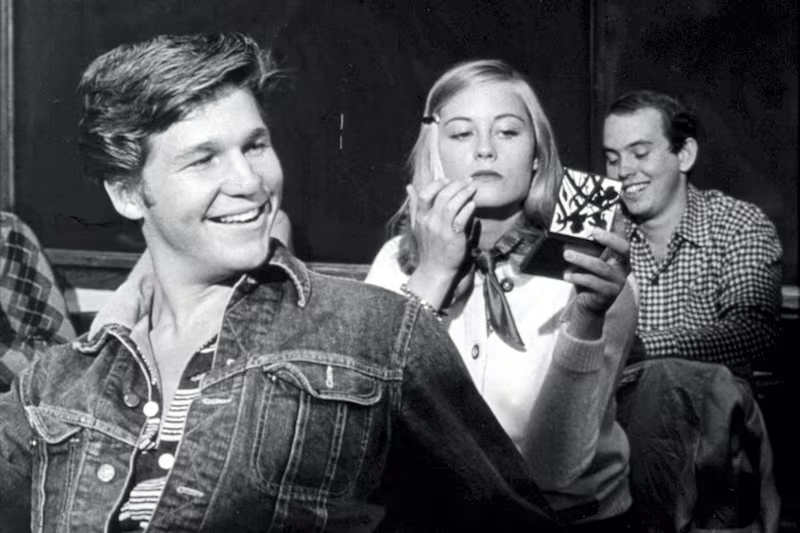
The Last Picture Show (1971): American Nostalgia

isess2013.org – “The Last Picture Show,” directed by Peter Bogdanovich and released in 1971, remains one of the most celebrated films of American cinema. Adapted from Larry McMurtry’s 1966 semi-autobiographical novel, the film captures the poignant story of a dying town in Texas during the early 1950s, a period of transition and cultural shifts. Set in the fictional town of Anarene, the film portrays the melancholy end of both a way of life and the innocence of its young inhabitants.

Capturing the Spirit of the 1950s

The story revolves around two high school seniors, Sonny Crawford (Timothy Bottoms) and Duane Jackson (Jeff Bridges), as they come to grips with the uncertainties of adulthood. Alongside their personal struggles with love, identity, and loss, the film reflects the changing social landscape of post-World War II America. The title itself refers to the closing of the town’s movie theater, symbolizing the end of a cherished tradition and way of life.

The cinematography, shot in black-and-white by Robert Surtees, evokes a strong sense of nostalgia. This decision not only sets the film apart visually but also reinforces its themes of loss, loneliness, and decay. The empty, wide Texas plains and the desolate streets mirror the emotional barrenness of the characters.

An Ensemble Cast of Remarkable Performances

The cast of “The Last Picture Show” is a standout, featuring several actors who would go on to become major stars. Timothy Bottoms delivers a moving performance as the sensitive and conflicted Sonny, while Jeff Bridges shines in one of his earliest roles, playing the brash yet vulnerable Duane. Cybill Shepherd, in her debut role as the alluring but manipulative Jacy Farrow, perfectly embodies the conflict between innocence and seduction.

The supporting cast is just as powerful. Cloris Leachman, as the emotionally neglected housewife Ruth Popper, gives a raw and heartbreaking performance that earned her the Academy Award for Best Supporting Actress. Ben Johnson, as Sam the Lion, a father figure to Sonny and the moral backbone of the town, also won an Academy Award for Best Supporting Actor. His monologue about lost love is one of the film’s most memorable scenes, embodying the film’s themes of regret and longing for the past.

Themes of Isolation, Sexuality, and Moral Decay

“The Last Picture Show” is more than just a nostalgic look at a bygone era. Its exploration of human relationships, the complexities of sexuality, and the disillusionment of adulthood make it a deeply resonant work. The characters’ sexual relationships are fraught with confusion and desperation, often leaving them more isolated than before. The film does not shy away from the harsher realities of life, portraying its characters’ flaws and vulnerabilities in a brutally honest manner.

In many ways, the film also reflects the uncertainty and disillusionment that was pervasive in America in the early 1970s. As the country was dealing with the aftermath of the 1960s and the Vietnam War, “The Last Picture Show” mirrored those feelings of moral decay and cultural stagnation through the lens of a small, forgotten town.

A Legacy of Timelessness

Upon its release, “The Last Picture Show” received critical acclaim and was nominated for eight Academy Awards, including Best Picture and Best Director. Over the years, its reputation has only grown, and it is now considered one of the finest American films ever made.

The film’s emotional depth, complex characters, and exploration of universal themes continue to resonate with audiences decades later. “The Last Picture Show” is a powerful meditation on the inevitability of change and the pain of looking back at what has been lost, making it a timeless masterpiece in the canon of American cinema.
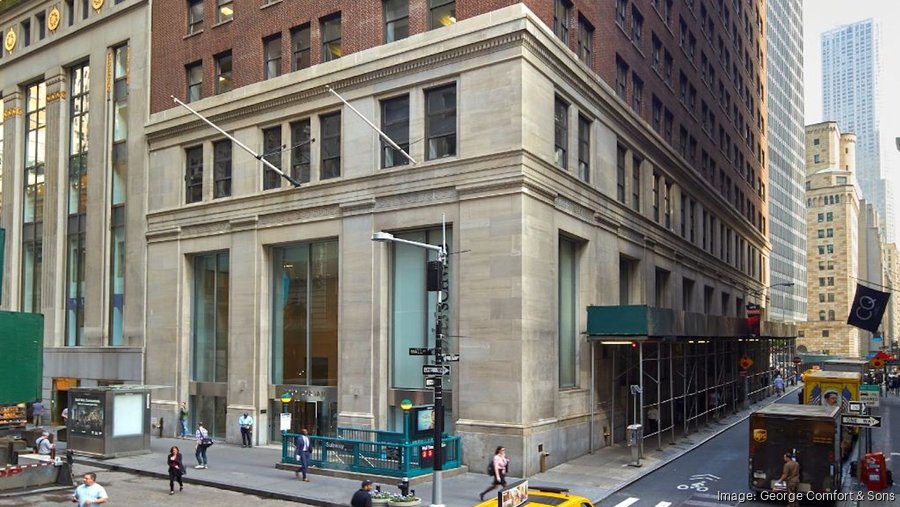
The Pulse of American Innovation: Silicon Valley to Wall Street

isess2013.org – The dynamic interplay between Silicon Valley and Wall Street represents the heartbeat of American innovation and finance. These two powerhouses, located at opposite ends of the country, have distinct cultures and objectives yet are inextricably linked in driving the nation’s economic growth and global competitiveness. Silicon Valley, the epicenter of technological innovation, is where ideas are born and nurtured into disruptive startups. Wall Street, the financial capital of the world, is where these ideas are monetized, scaled, and integrated into the global economy. This article explores the symbiotic relationship between these two iconic regions and their collective impact on the future of American business.

The Cradle of Innovation: Silicon Valley

Silicon Valley, nestled in the San Francisco Bay Area, has long been synonymous with cutting-edge technology and innovation. It is home to some of the world’s most influential tech companies, including Apple, Google, Facebook, and Tesla, as well as countless startups and venture capital firms. The region’s culture of risk-taking, collaboration, and rapid iteration has fostered an environment where ideas can flourish and transform into billion-dollar industries.

Silicon Valley’s influence extends beyond technology. It has become a model for innovation in other sectors, such as biotechnology, green energy, and even finance, with fintech startups challenging traditional banking models. The Valley’s entrepreneurial spirit and emphasis on disruption have led to significant advancements in artificial intelligence, machine learning, and the Internet of Things, shaping the future of work and society.

The Financial Powerhouse: Wall Street

Wall Street, located in the heart of New York City, is the financial hub of the United States and a key player in the global economy. It is home to the New York Stock Exchange (NYSE) and the NASDAQ, where companies from Silicon Valley and beyond list their shares, raising capital to fuel their growth. Wall Street’s banks, investment firms, and insurance companies manage trillions of dollars in assets, providing the financial infrastructure that supports businesses and economies worldwide.

Wall Street’s influence is not limited to finance. It is also a center for innovation, particularly in the realm of financial technology, or fintech. Fintech startups, often inspired by Silicon Valley’s tech-first approach, are revolutionizing the way financial services are delivered, from mobile payments and peer-to-peer lending to blockchain and cryptocurrencies.

The Symbiotic Relationship

The relationship between Silicon Valley and Wall Street is symbiotic. Silicon Valley startups need the capital that Wall Street provides to grow and scale, while Wall Street benefits from the innovative companies and technologies that Silicon Valley produces. This relationship has led to significant economic value creation, with successful IPOs and acquisitions fueling both regions’ economies.

Moreover, the collaboration between these two centers of power has accelerated the pace of innovation. Silicon Valley’s tech companies often partner with Wall Street firms to develop new financial products and services, while Wall Street’s financial acumen helps Silicon Valley startups navigate the complexities of scaling and going public.

Challenges and Opportunities

Despite their mutual benefits, Silicon Valley and Wall Street face challenges that could strain their relationship. Regulatory scrutiny, market volatility, and the need for ethical considerations in technology and finance are just a few of the hurdles they must overcome. Additionally, the rise of global competitors in both technology and finance means that Silicon Valley and Wall Street must continually innovate to maintain their leadership positions.

Conclusion

Silicon Valley and Wall Street are more than just geographic locations; they are symbols of American ingenuity and financial prowess. Together, they form a powerful engine of growth, innovation, and economic value. As the world becomes increasingly interconnected and competitive, the partnership between these two titans will be crucial in shaping the future of American business and maintaining the country’s status as a global leader in innovation and finance.